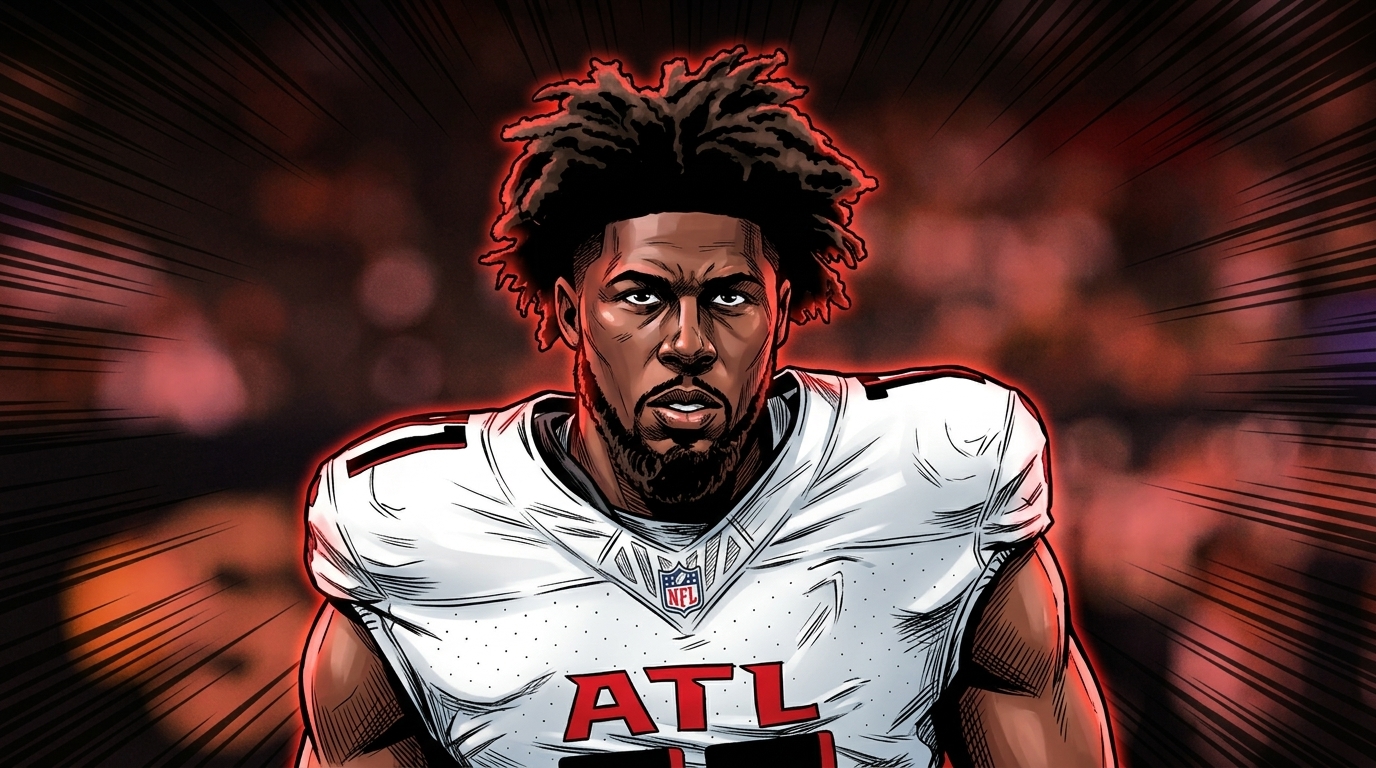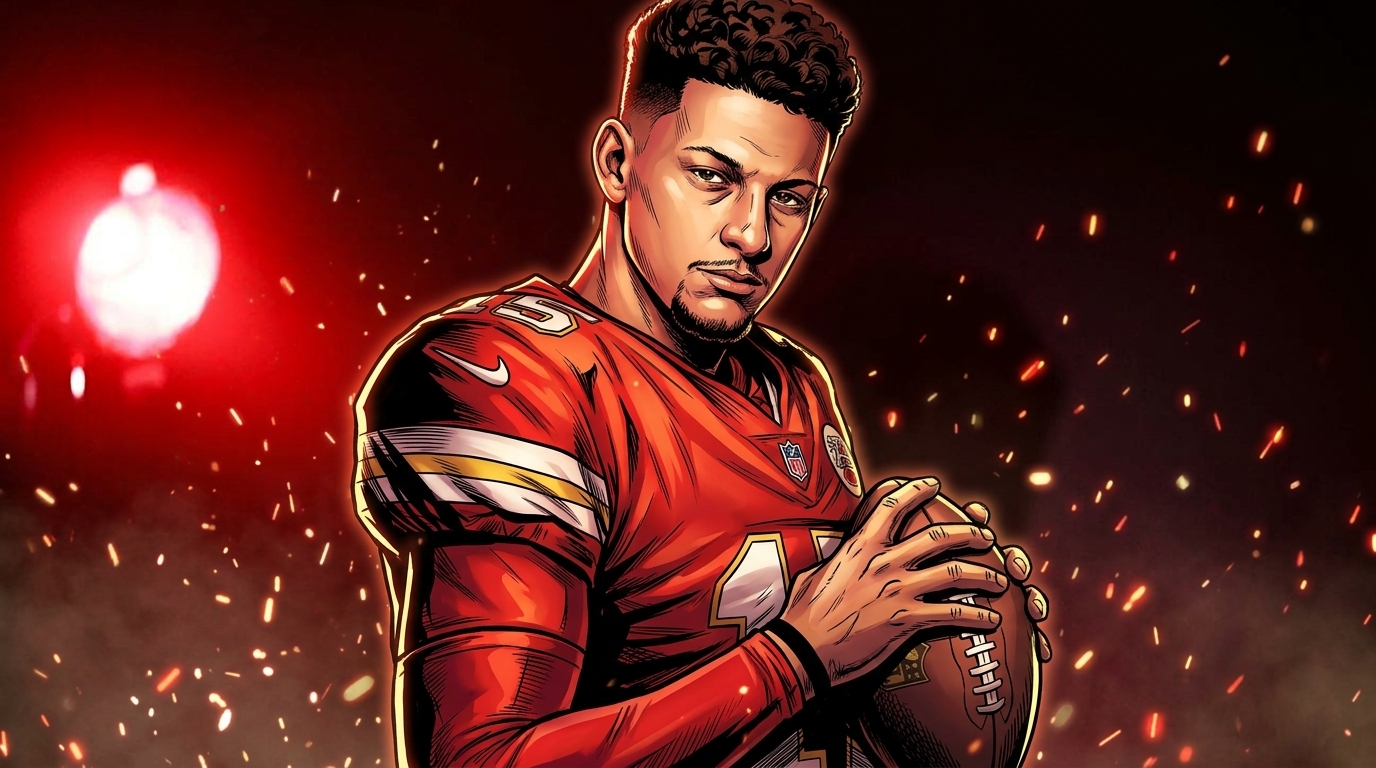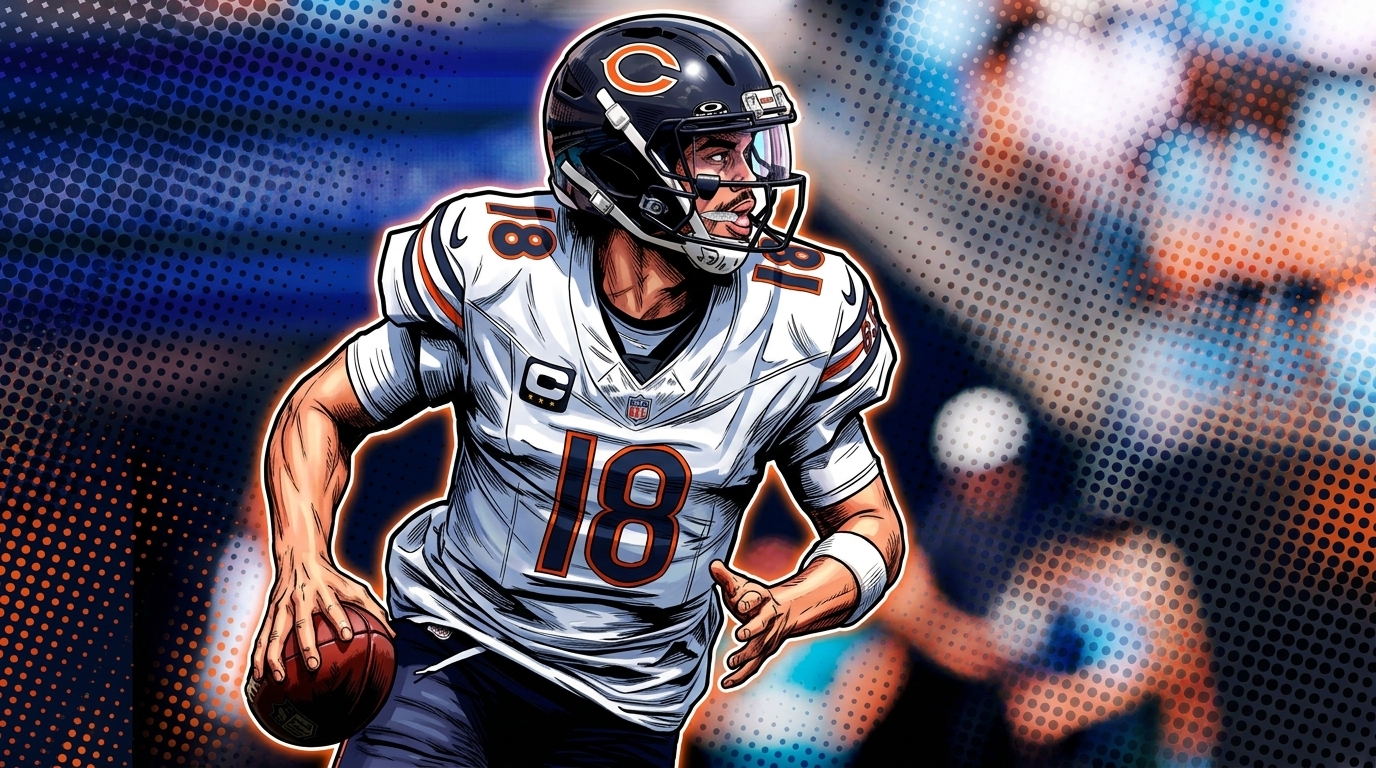

Fifty-nine to thirty-seven. That was the final in Charlotte on Sunday: the ugliest scoreline to come out of the NFC South’s Week 1, when the Carolina Panthers’ defense allowed 59 points at home even as receiver Jalen Coker caught two touchdowns in a losing effort. It’s not even the strangest result the division produced. We watched all four NFC South teams lose in the same week, in four distinct flavors of failure: a shootout blowout, a three-turnover meltdown from a quarterback otherwise playing clean football, a defensive collapse behind a productive offense, and a two-point conversion that came up six yards short of a road win. Line them up side by side and the take writes itself. This is the same division-wide malaise wearing four different jerseys.
None of that is unusual in isolation. Divisions have bad Sundays. What’s unusual is the shape of it: four teams, four separate box scores, and not one that looks like a program currently in control of its own fate. A 22-point home blowout and an overtime failed two-point conversion happened in the same seven days, and the division is still tied at 0-1 across the board. I think that previews something specific about how the NFC South race plays out this year: it might come down to who loses the least, not who wins the most, and that’s a genuinely different way to watch this division than the one we’re used to.
Why did every NFC South team lose in Week 1?
Because none of the four teams separated itself on paper. Carolina blew a lead in a track meet, Tampa Bay turned it over three times behind an efficient passer, Atlanta’s offense outproduced its defense, and New Orleans lost by inches in overtime. Same theme, four different failures: nobody in the division is built to close yet.
The Atlanta Falcons, Tampa Bay Buccaneers, Carolina Panthers and New Orleans Saints each lost in Week 1, and all four sit at 0-1, tied atop the NFC South standings in 2026. Four teams, four different ways to blow a football game in the same week. If nothing else, the division is showing range.
The Panthers’ Defense Couldn’t Get Out of Its Own Way
Carolina put up 37 points at home and still lost by 22, falling 59-37 to the Chicago Bears in a game where the Panthers’ defense never found an answer, per Larry Brown Sports and the Falcons’ own Week 1 tracking roundup. Wide receiver Jalen Coker had a monster day doing it, 8 catches for 138 yards and 2 touchdowns, and it barely registered against the final score. (For the record, the 59-37 line was the NFL’s 1,096th unique final score in league history, per fansided. A dry footnote, not a consolation prize.)
The schedule offers a quick fix: Carolina and Atlanta play each other in Week 2, which means the NFC South’s winless streak is mathematically guaranteed to end after two weeks, per Larry Brown Sports. Someone in this division was always going to have to beat someone else in it eventually. It just took a scheduling quirk to force the issue.
Baker Mayfield’s Turnovers Overshadowed Everything Tampa Bay Did Right
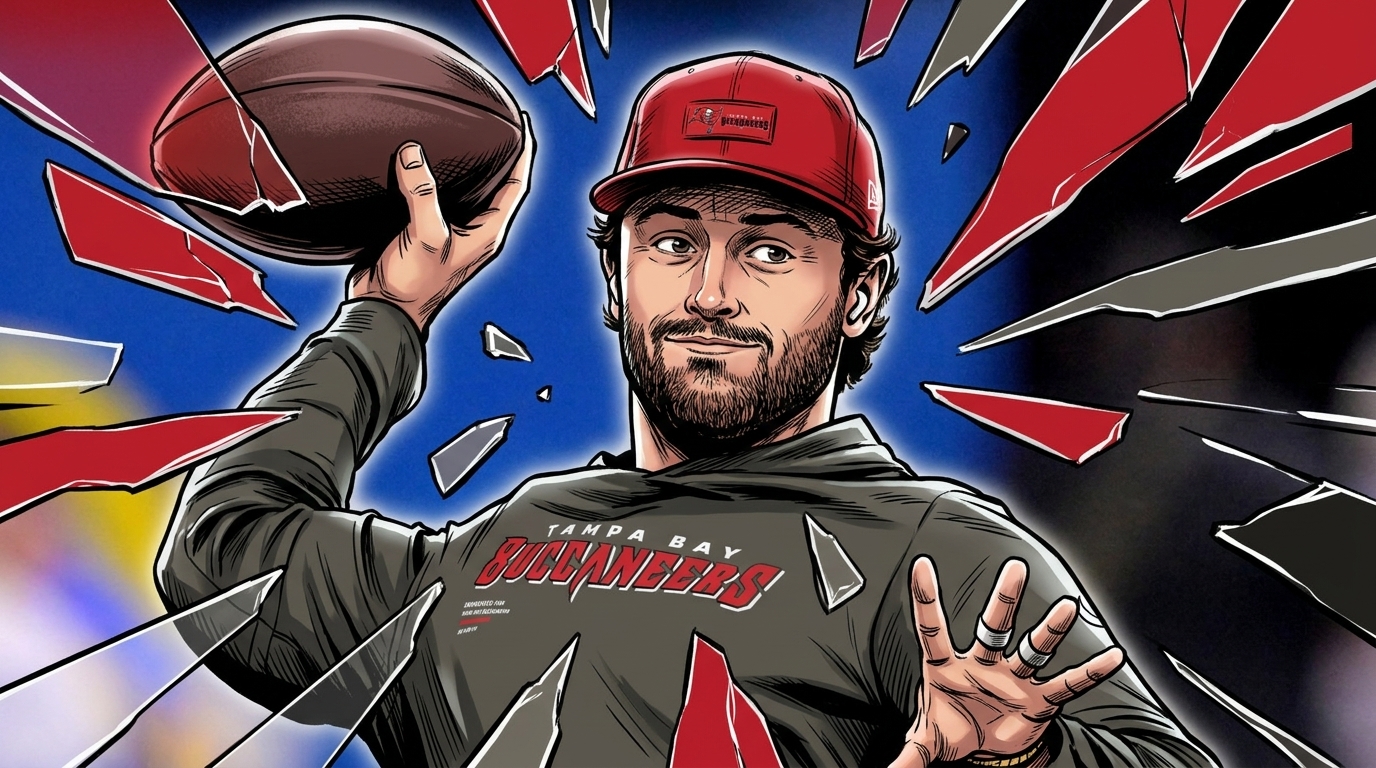
Tampa Bay lost 33-27 at Cincinnati, and on paper it should have been the best-looking loss of the week for Tampa Bay. Quarterback Baker Mayfield completed 23 of 28 passes for 216 yards with no interceptions, adding a rushing touchdown on top of it: efficient, clean, mistake-free through the air by every traditional measure except the one that decided the game. He lost three fumbles, and the Bengals scored 21 points off those turnovers, per the Buccaneers’ own recap. Mayfield put his own number on it afterward. “This one falls on me. I mean, they had, I think, 17 points alone off of my turnovers,” he told reporters — his count runs a little lower than the box score’s, but the point stands either way.
That’s a real problem for Baker Mayfield specifically, separate from the quality of the roster around him. Buried in the same box score is the good news: rookie linebacker Josiah Trotter had 10 tackles, a sack, and a 38-yard pick-six, the franchise’s first pick-six in a player’s debut, per the Falcons’ Week 1 tracking piece. (Tampa Bay’s front office will take that history however it comes.)
The Falcons’ Offense Showed Up. Its Defense Didn’t.
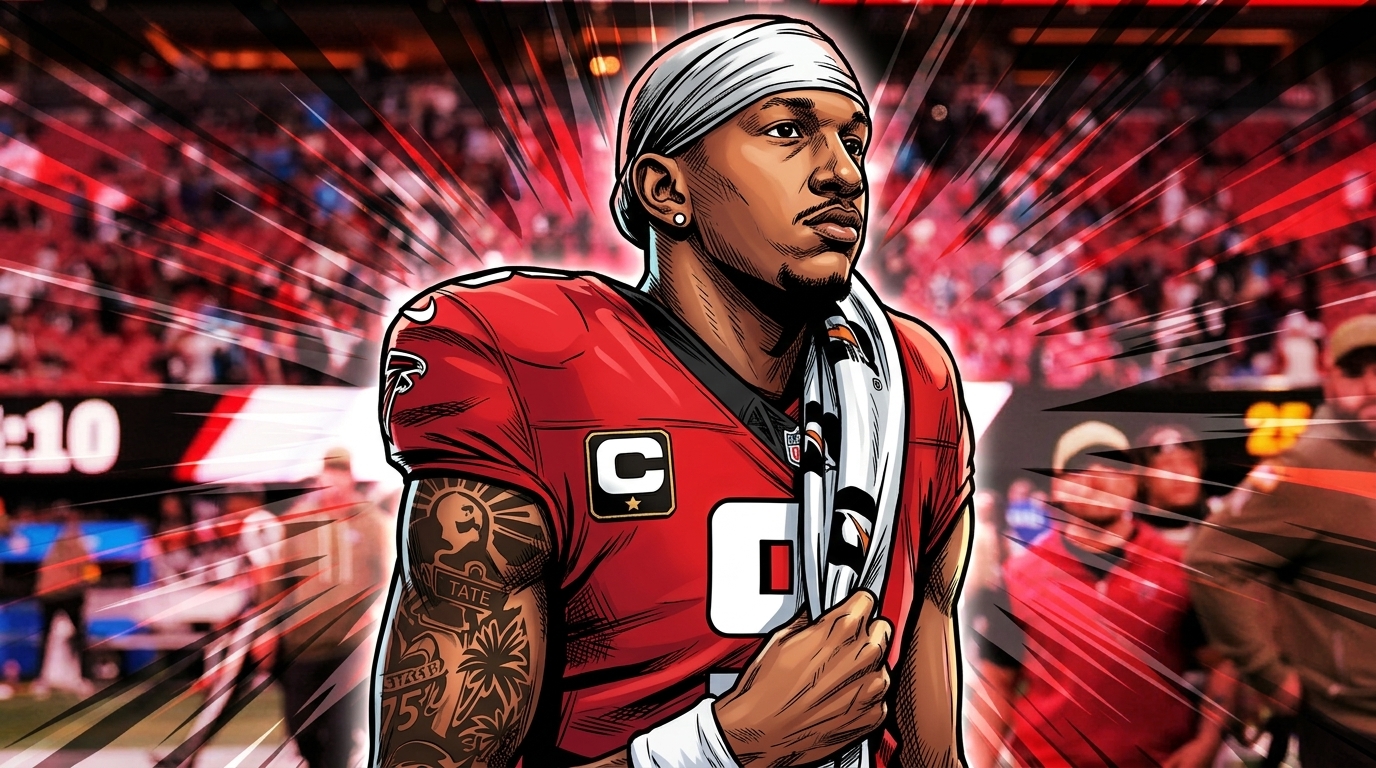
The Falcons lost 20-13 on the road to the Pittsburgh Steelers in a game that split cleanly down the middle: one half of the roster played like a playoff team, the other did not. Running back Bijan Robinson carried the offense with 173 scrimmage yards and a touchdown on 29 touches, and linebacker Za’Darius Smith logged 2 sacks in his Atlanta Falcons debut, per the Falcons’ own Week 1 tracking roundup. That’s a genuinely productive opener from two different phases of the roster, and it still wasn’t enough.
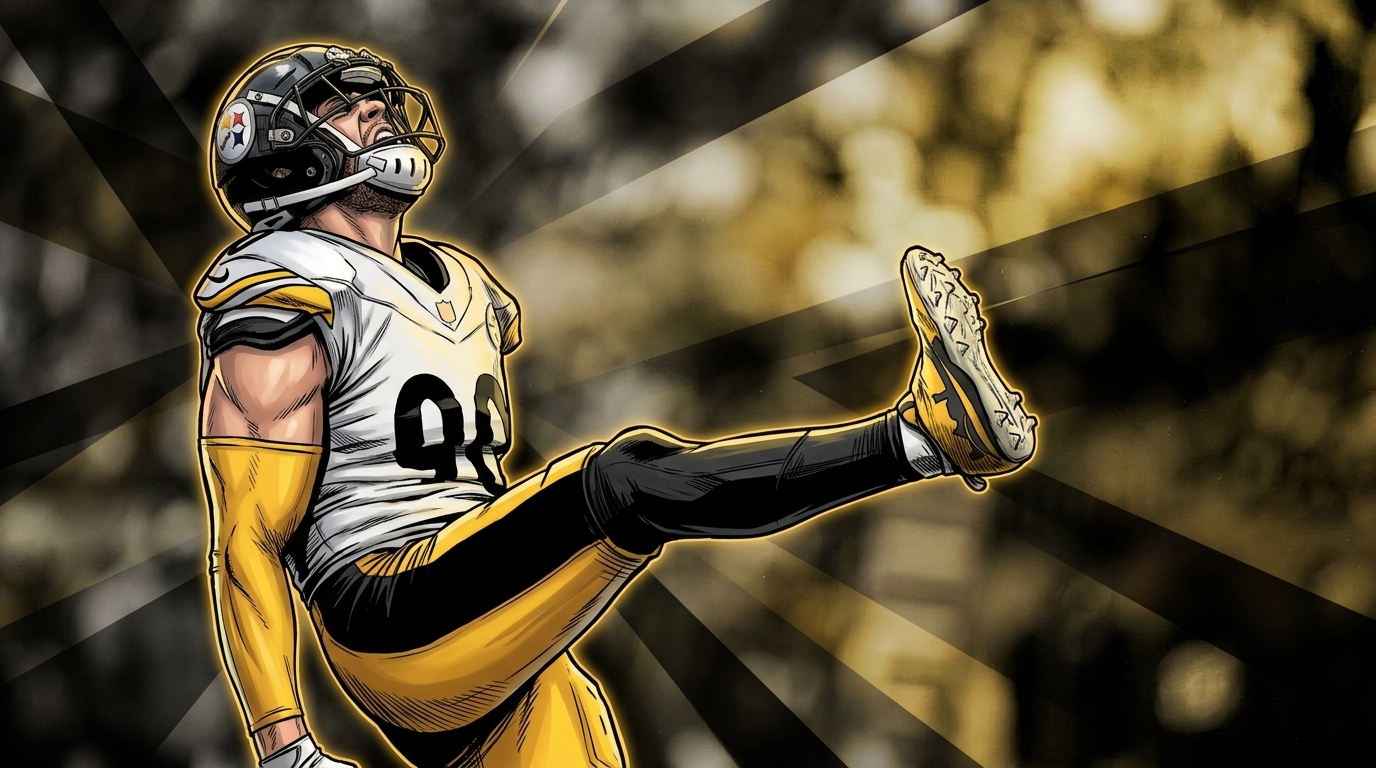
The reason is on the other side of the ball. T.J. Watt’s pick-six swung a game Atlanta’s offense had done enough to win. Turnovers like that are the difference between an 0-1 division and a 1-0 one, for a team that otherwise had the tools to leave Pittsburgh with a win.
New Orleans Blew a 21-Point Lead, Then Chose Aggression Over Overtime
The New Orleans Saints’ loss might be the most excruciating of the four, if only because they had it. New Orleans rallied from a 21-0 deficit to tie the Detroit Lions 24-24 in regulation, then lost 31-30 in overtime, per Yahoo Sports and NBC Sports. (New Orleans led this game by three touchdowns and still found a way to lose it in overtime. Impressive or deeply on brand, take your pick.) Detroit struck first in overtime on a Jared Goff touchdown pass to Amon-Ra St. Brown, going up 31-24. Quarterback Tyler Shough answered with an 8-yard touchdown pass to Noah Fant to pull New Orleans within one.
Then head coach Kellen Moore made the call that will define how this game gets remembered. Instead of kicking the extra point to force a second overtime, he went for two and the win. The pass intended for Bryce Lance fell incomplete out of the back of the end zone, per Yahoo Sports. It’s an aggressive call from a coach who trusted his offense over a coin flip, and given that receiver Chris Olave led the entire NFL in receiving yards in Week 1 (10 catches, 182 yards), that trust wasn’t obviously misplaced. It just didn’t work.
By Sunday night, the whole division’s misery had become a running joke online.
https://twitter.com/brgridiron/status/2099291047234806190
Funny online doesn’t tell you who’s actually built for this once the losing stops.
A ranking of the four losses published this week put Tampa Bay first, New Orleans second, Carolina third and Atlanta fourth, largely on roster quality independent of Sunday’s results, per fansided. I’d mostly agree with the shape of that, if not with putting so much weight on one afternoon. Tampa Bay still has the deepest roster in the division and a quarterback who, three turnovers aside, threw an efficient, clean game against a good Cincinnati defense. New Orleans just proved it can hang with a playoff-caliber team on the road, and losing a game it led by three scores isn’t the same profile as losing one 59-37. Fix a turnover problem or convert one two-point try, and either of those teams is 1-0 instead of 0-1.
Carolina and Atlanta have the harder path. A defense that gives up 59 points doesn’t fix itself in a week, and a Falcons team that needed 173 scrimmage yards from one running back just to lose by seven is leaning on one player more than a good roster should have to.
None of that freezes the NFC South’s 2026 standings in place for the rest of the year. It means the early edge in what’s shaping up as a division-wide demolition derby belongs to whoever stops beating itself first, and right now that’s Tampa Bay, by the length of one clean box score and a debut pick-six from a rookie nobody outside Florida had heard of a week ago.
Watch Week 2 for the actual test. Carolina and Atlanta play each other, guaranteeing at least one team leaves the winless column, and Tampa Bay gets a chance to prove Sunday’s turnovers were an aberration and not a pattern. That’s the actual shape of the NFC South division race in 2026, at least for now: not a sprint toward wins, but a scramble to stop losing to yourself before your rivals figure out how to stop losing to themselves.