
We’ve been hearing all week that NFL defenses looked broken in Week 1, and normally that’s the type of claim that dies by Tuesday’s film session. One offense gets hot, the overreaction cycle spins for 48 hours, and by the following Sunday everyone’s back to arguing that defense wins championships. This time the claim didn’t die. It kept finding new evidence. By the time Kansas City and Denver finished Monday night, three separate box scores were describing the same collapse from three different angles, and I don’t think that’s an accident anymore.
Did NFL Week 1 2026 Tie a Scoring Record?
NFL Week 1 2026 tied the post-merger scoring record: 791 combined points across all 16 games, an average of roughly 49.4 points per matchup, matching the mark the league set back in 2012. Per NFL.com, the record was clinched Monday night when Kansas City and Denver combined for 41 points to close out the week (the league loves a stat that sounds record-breaking right up until you check the fine print and notice it’s a tie, not a break).
It’s the type of number that reads like a rounding error until you see how it got there. Buffalo beat Houston 36-31. Detroit needed overtime to get past New Orleans, 31-30. Cincinnati and Tampa Bay combined for 60. Those are three competent, forgettable offensive performances that happened to land on the high side, and none of them are why we’re having this conversation.
Some context makes the 49.4 figure land harder. The all-time NFL season scoring record, set in 2020, sits at 49.6 points a game. Week 1 of 2026 opened within striking distance of the most explosive full season the league has ever played, compressed into a single week, in September, when half these rosters are still installing verbiage.
Was Bears-Panthers Really Just a Scorigami Outlier?
The reason is Chicago. The Bears beat Carolina 59-37, and the 96 combined points is the highest-scoring Week 1 game in NFL history, topping the 88 points Tampa Bay and New Orleans combined for in a 48-40 game back in 2018. Per CBS Sports, it’s also the 1,096th unique final score in league history. Officially a scorigami, and the internet updates that spreadsheet fast.
Caleb Williams’ 59-point outburst usually gets filed away as a novelty and forgotten by October. Chicago’s 59 points is the second-most in a Week 1 game ever, trailing only Atlanta’s 62 in 1973, and the most the Bears have scored since 1980. Williams threw for 269 yards and two touchdowns, added two more on the ground, and D’Andre Swift ran for 124 yards, including a 28-yard score with under four minutes left. That’s an offense playing loose against a defense that couldn’t find one stop when it mattered.
Taken by itself, that’s a fun Sunday and a Wikipedia footnote. It’s also a single data point, and single data points don’t indict a league.
What Did Denver’s Missed-Tackle Collapse Actually Look Like?
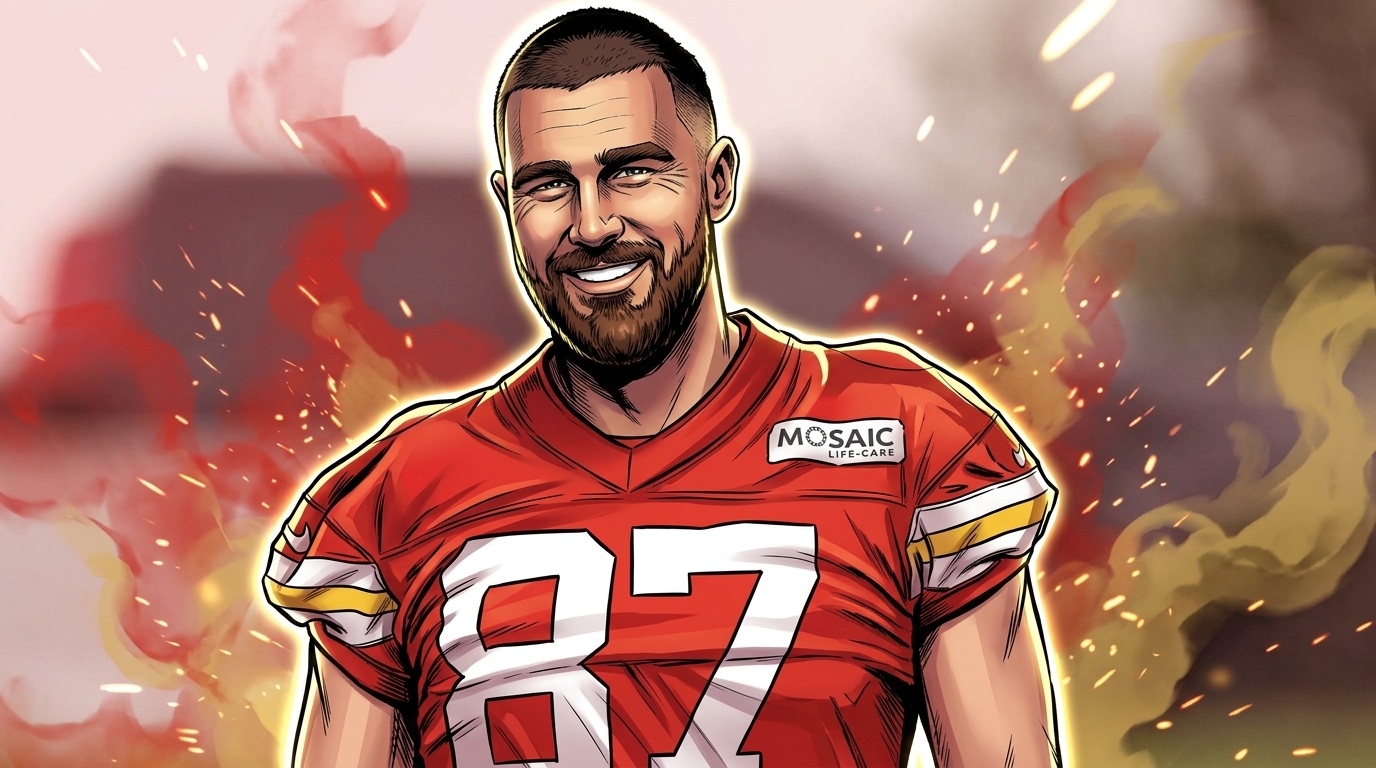
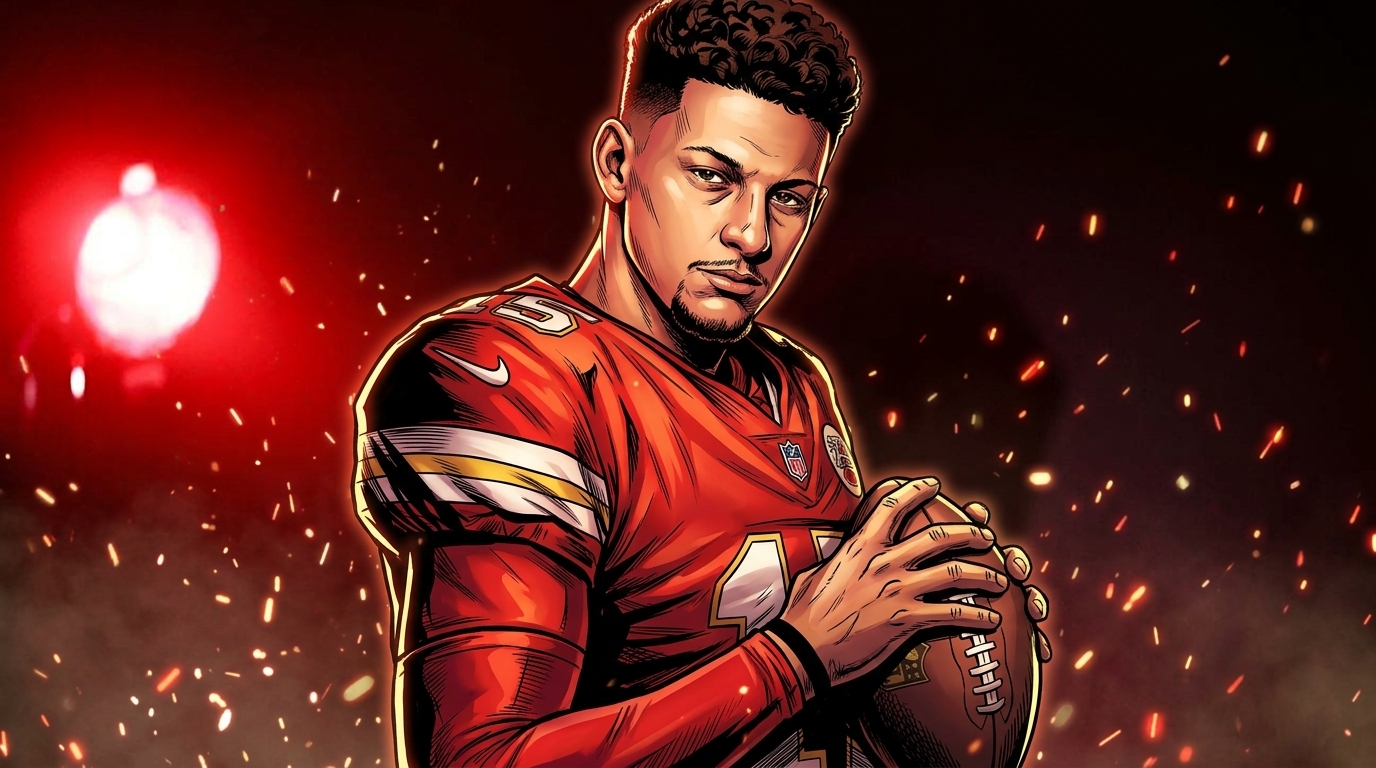
The Chiefs-Broncos game that closed out the week is where the pattern stops being deniable. Kansas City beat Denver 31-10, and Patrick Mahomes made his return from a torn ACL and LCL (the injury that ended his season back in December) with 184 yards and two touchdowns through the air, plus a 15-yard scramble for a third. Nine months is a long time to find out whether a rebuilt knee still turns the way it used to. That’s a clean comeback outing. It’s not the story.
Denver’s tackling is the story. Per Next Gen Stats, the Broncos missed 28 tackles for 247 missed-tackle yards allowed, the most in a single game in the database, which dates back to 2018 — a 29.8% missed-tackle rate, the third-worst single-game mark on record. Twenty-eight missed tackles spread across four quarters works out to seven a quarter, closer to a full-game breakdown than a rough patch a coordinator papers over at halftime.
https://twitter.com/NextGenStats/status/2099700435816992838
Kenneth Walker III made his Chiefs debut look effortless because of it. Acquired in March, Walker ran for 173 yards and two touchdowns on 26 touches, including a 60-yard score on 4th-and-inches in the third quarter, and finished with 191 all-purpose yards — more than Denver’s entire offense managed in scrimmage yards (176). Bo Nix threw a pick on the opening drive, fumbled three times, lost one, and got sacked four times behind a line that couldn’t hold up, playing in front of a defense that couldn’t finish plays. New offensive coordinator Davis Webb’s unit managed 176 total yards. Neither side of the ball showed up.
As Lee Sharpe noted, Week 1 2026 was the first time under the 16-game schedule that every game finished with a different scoring margin, and Kansas City’s win was the piece that closed the loop.
https://twitter.com/LeeSharpeNFL/status/2099699091114791378
Read closely, that streak says less about parity than about how few of those margins came from a defense making a stop when the game asked for one.
So Are NFL Defenses Actually Broken League-Wide?
The counter here is obvious: Bears-Panthers was two bad defenses colliding on a random Sunday, and small samples make fools of everyone in September. That’s fair as far as it goes. I read too much media criticism to trust a storyline just because it’s trending by Tuesday. The take cycle rewards conviction, not correctness, and I try to remember that before I commit to one myself.
I think it stops being fair around box score number three. A scorigami is a coincidence. A league-wide scoring record tying a mark from 2012 is a pattern. A defense missing 28 tackles for 247 yards on national television (the worst single-game mark the league has tracked since 2018) is a system failure, not bad luck. Put those three next to each other and the outlier framing doesn’t hold up. Something about how offenses are built, and how defenses are being asked to defend them, tilted hard in Week 1, and it wasn’t contained to Chicago.
Good offenses beating bad defenses in September happens every year. What’s different is how many defenses, across how many coaching staffs, looked unprepared in the same week, before injuries pile up or opposing coordinators find the seams that usually erode a defense over a full season. Whatever’s driving it, it showed up leaguewide before anyone had a chance to game-plan it away.
None of this settles itself in one week. Tackling gets coached out fast, and scoring binges regress just as quickly as they spike. Watch whether Denver’s front seven looks different against a lesser offense in Week 2, and whether the league-wide point total drifts back toward its recent range — 2025 averaged 46 combined points a game, well below where Week 1 landed. If both numbers stay high, this wasn’t a September aberration. It was the league telling us something about itself before anyone was ready to listen.