
The NFL suspended officials Jeff Seeman and Adrian Hill this week for cursing at and screaming at players, and the real story isn’t the suspensions. It’s that the league had to be shamed into using a disciplinary tool it’s owned since 2013 and apparently forgot existed.
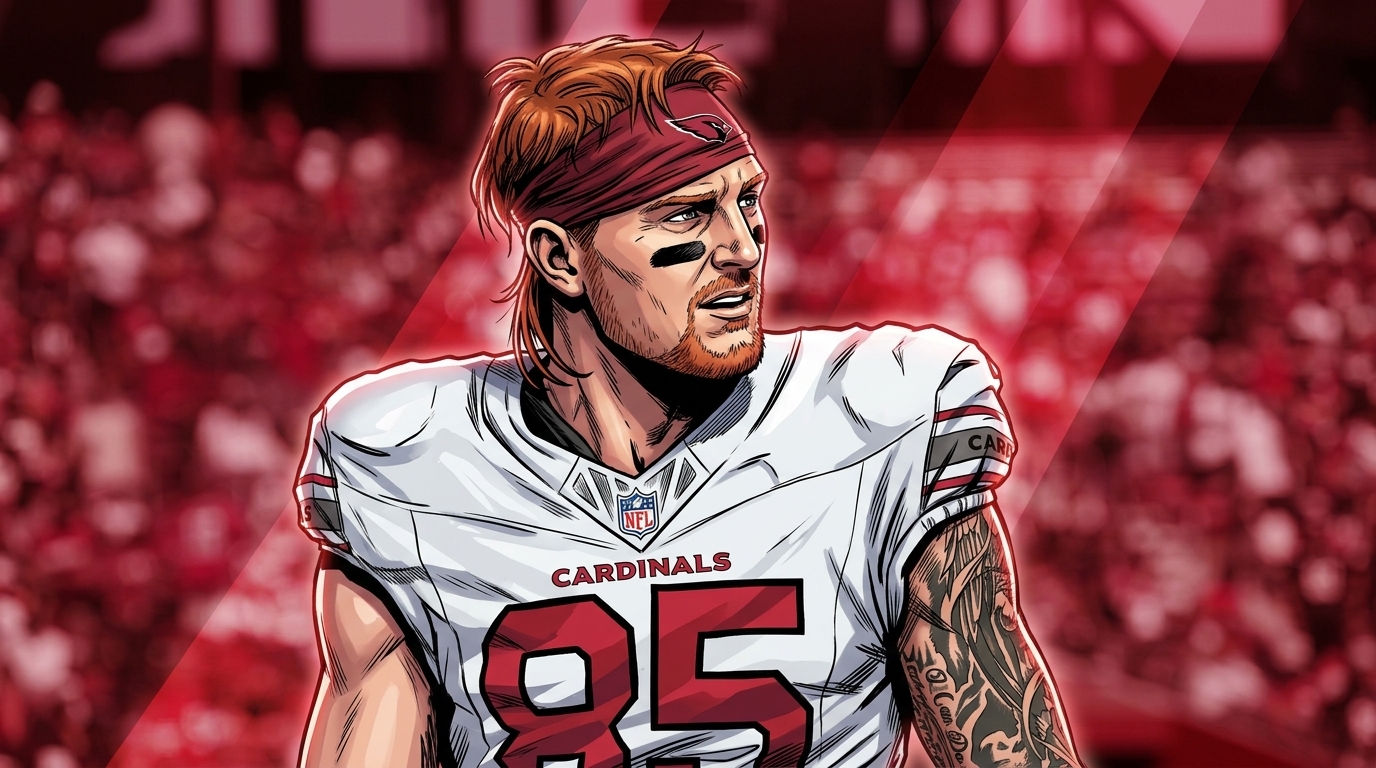
I don’t need to relitigate what Seeman did to Trey McBride, because the league already did that part for everyone, in writing. He got caught on a hot mic cursing at Trey McBride twice, late in the fourth quarter of Arizona’s loss to the Giants on Sunday, right after officials let Giants defensive back Dru Phillips maul McBride without a flag. The Cardinals lost 36-24 on a Deonte Banks pick-six as time expired, which means an official’s mouth is now more memorable than the actual football game. That’s the bar the league set for itself: a referee has to get caught swearing at a guy on a live microphone before anybody in the league office reaches for the rulebook.
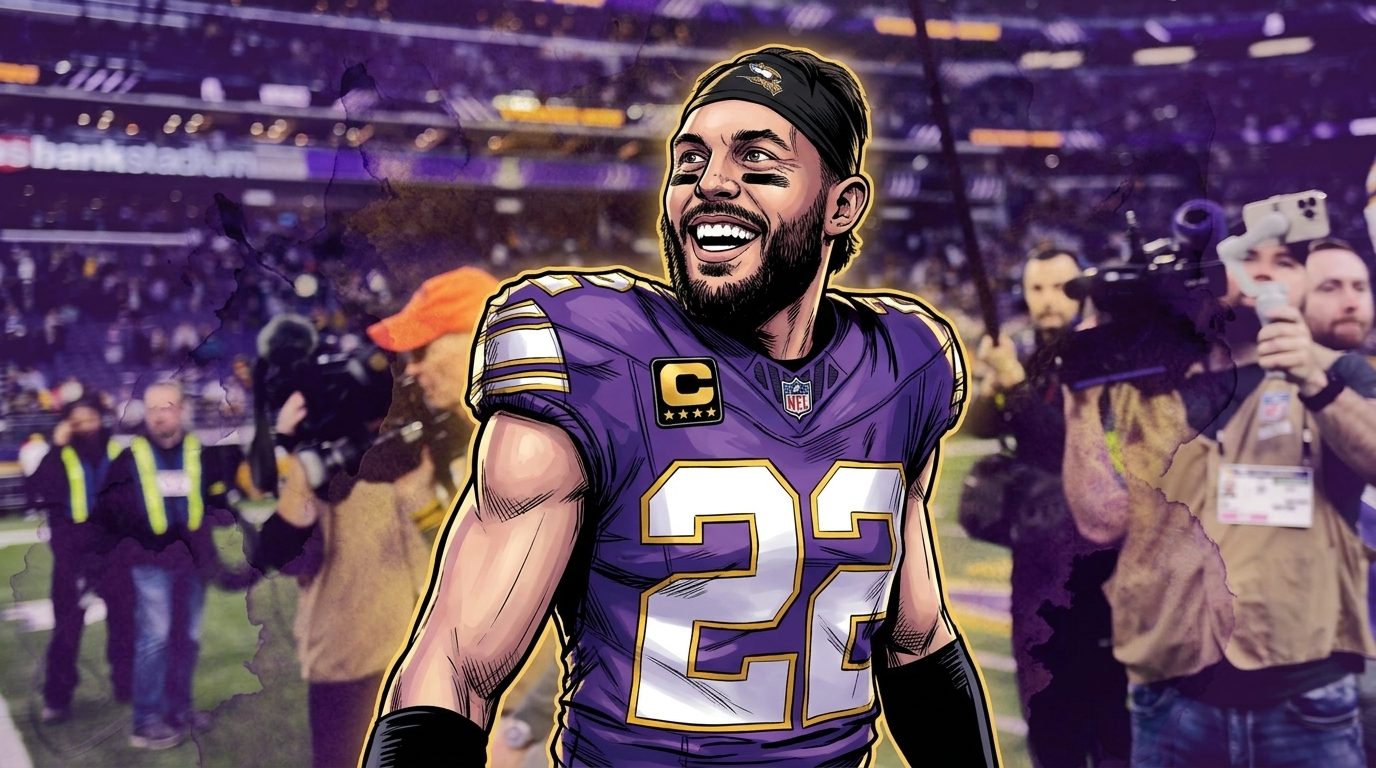
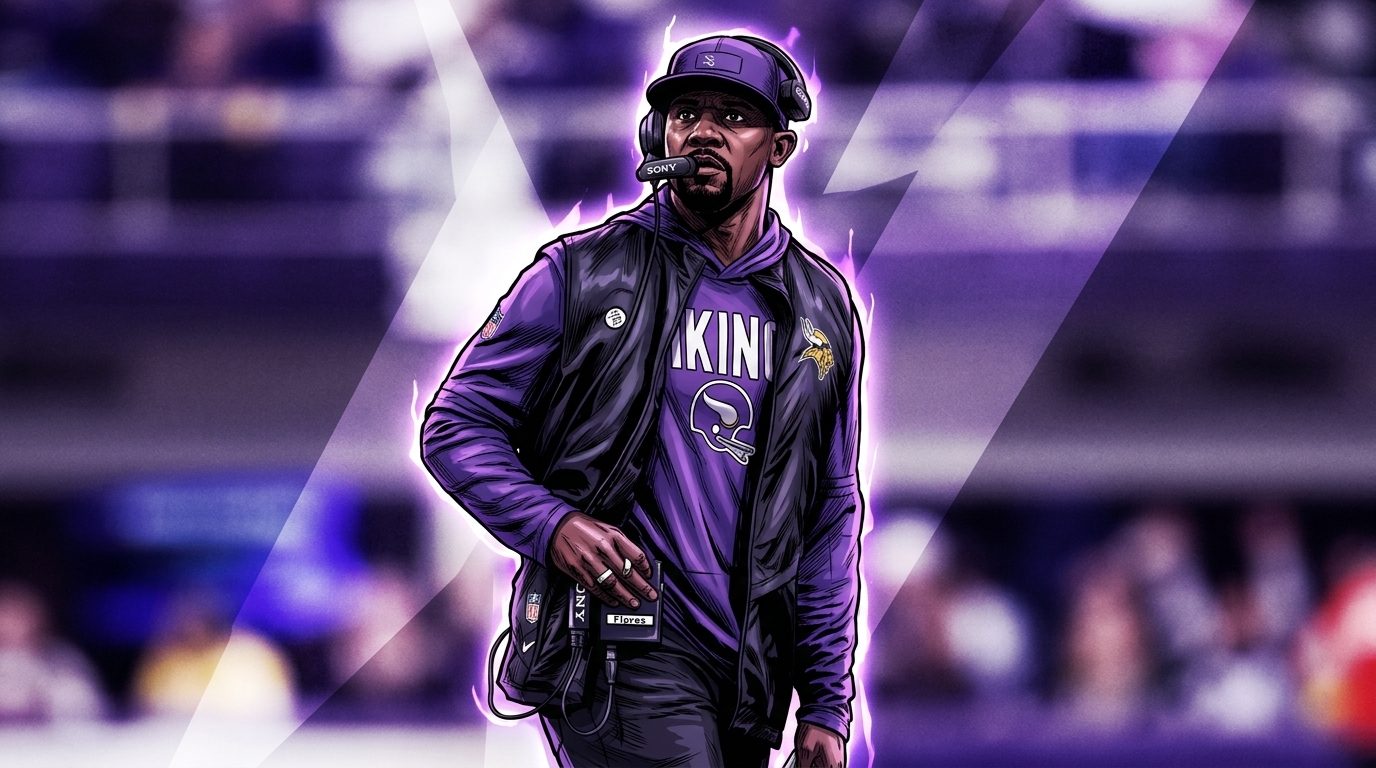
Then there’s Adrian Hill, who drew one game for something else entirely. On that same Sunday, in Minnesota, Dolphins running back Ollie Gordon II shoved Vikings linebacker Eric Wilson into him during a scrum at U.S. Bank Stadium. Wilson had nothing to do with knocking Hill down. He turned around and tried to help the man up. Hill got to his feet on his own power and started yelling at Wilson and pointing in his face, like Wilson had committed some unpardonable sin instead of basic decency. That’s bullshit wearing a whistle, and the league only noticed because somebody else said so out loud.
The league’s own explanation for both suspensions is identical, word for word: an instance of unprofessional conduct toward a player, per NFL vice president of officiating Ramon George. That’s a sentence built to say as little as possible while technically saying something. It tells you nothing about what Seeman said to McBride or what Hill did to Wilson, because the league isn’t in the business of admitting specifics about its own employees.
None of this happens without JC Tretter saying it first. The NFLPA’s executive director posted his statement before the league’s own disciplinary announcement went out, not after it:
https://twitter.com/JCTretter/status/2106886909146665468
Tretter isn’t asking for mercy in that statement, or for some new rule nobody’s thought of. He’s naming a double standard the league enforces instantly in the other direction: players get fined for cursing at a ref, flagged for pointing a finger, suspended for conduct detrimental to the team, all under a code the league applies without a second of hesitation. This is the same institution where officiating accountability has always run one direction — a coach gets fined for walking off the field over a no-call before an official gets so much as a memo. The office that disciplines a cornerback for taunting within forty-eight hours needed a public statement from the players’ union to remember officials are covered by that same rulebook.
Here’s how long officials have been operating outside that rulebook: the last time the league actually used the word suspension for conduct toward a player was 2013, over a decade ago, when umpire Roy Ellison drew one game for profane and derogatory comments directed at Washington offensive lineman Trent Williams. Ellison got a second chance to test the system in December 2018, clashed with Bills pass rusher Jerry Hughes in a tunnel, and the league reached for softer paperwork: one game check, $9,300, plus administrative leave, officially logged as a fine. Football Zebras, which covers officiating for a living, called it what it actually was — a de facto suspension, since Ellison missed a week’s assignment and a week’s pay no matter what the HR language said. Hughes got fined $53,482 for the same confrontation, so spare me the idea that only the official faced consequences. The league just prefers the version of the paperwork where nobody has to use the word.
Wilson himself isn’t carrying any of this personally. He called the whole thing funny afterward, said he apologized to Hill and explained what happened, and that Hill was cool about it. The two were seen chatting on the field before the second half. Vikings coach Kevin O’Connell called Hill “a really good official” after the game, and I believe him. Good for both of them. It still doesn’t change what happened: an official pointed and screamed at a player who’d just tried to help him off the ground, on camera, and the league’s only functioning accountability mechanism was a tweet.
I read enough NLRB complaints for fun to recognize what self-policing looks like when an institution designs it to fail quietly. The league didn’t lack a mechanism to discipline officials for thirteen years. It had one, used exactly once since 2013, because using it more would mean admitting this was never really about McBride or Wilson. It was about an entire class of league employees operating with impunity until a union statement turned it into a PR liability.
So here’s the actual math on offer: two officials lose a combined three game checks, the NFLPA gets a press release it can point to, and the next official who wants to scream at a player now knows the going rate is a tweet from JC Tretter. Nobody in that department is losing a minute of sleep over it, because why the hell would they. They’ll just wait to see who gets caught on a hot mic next.