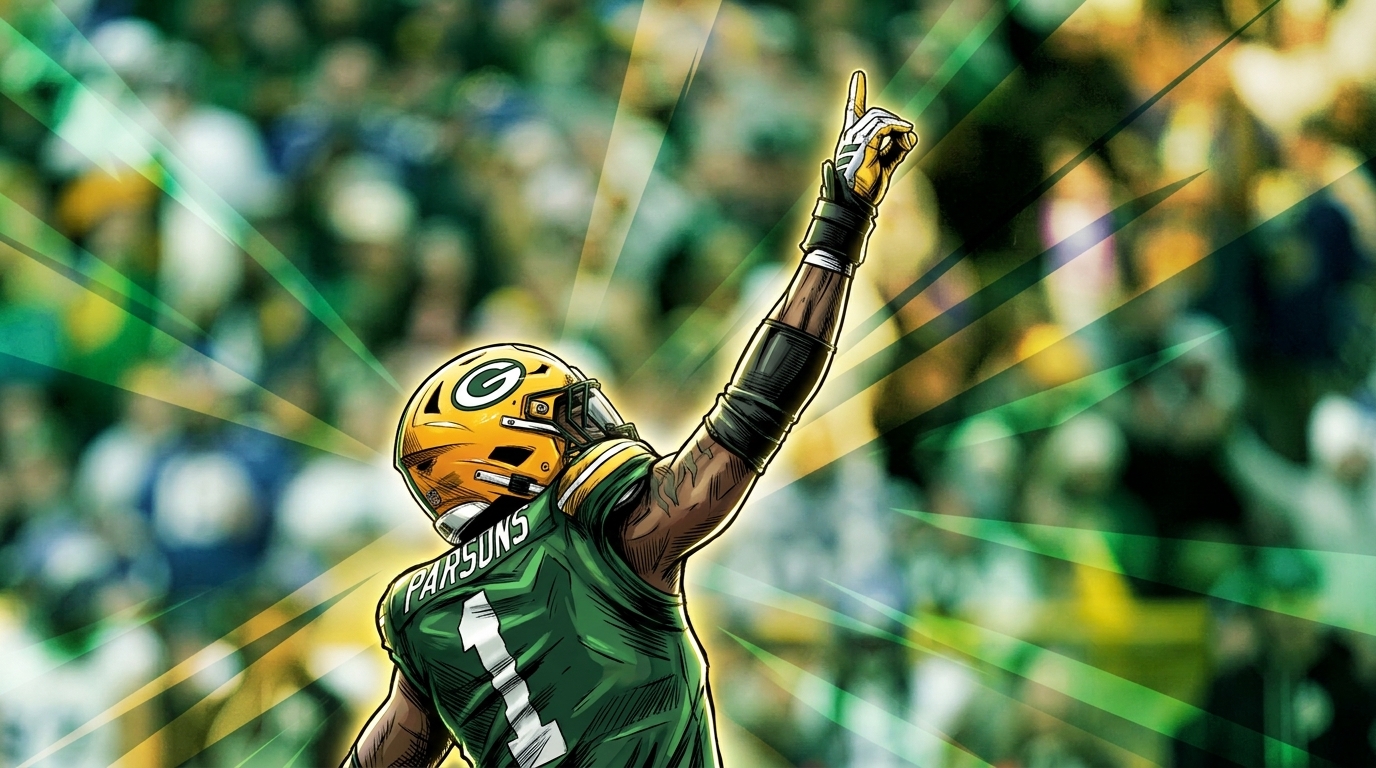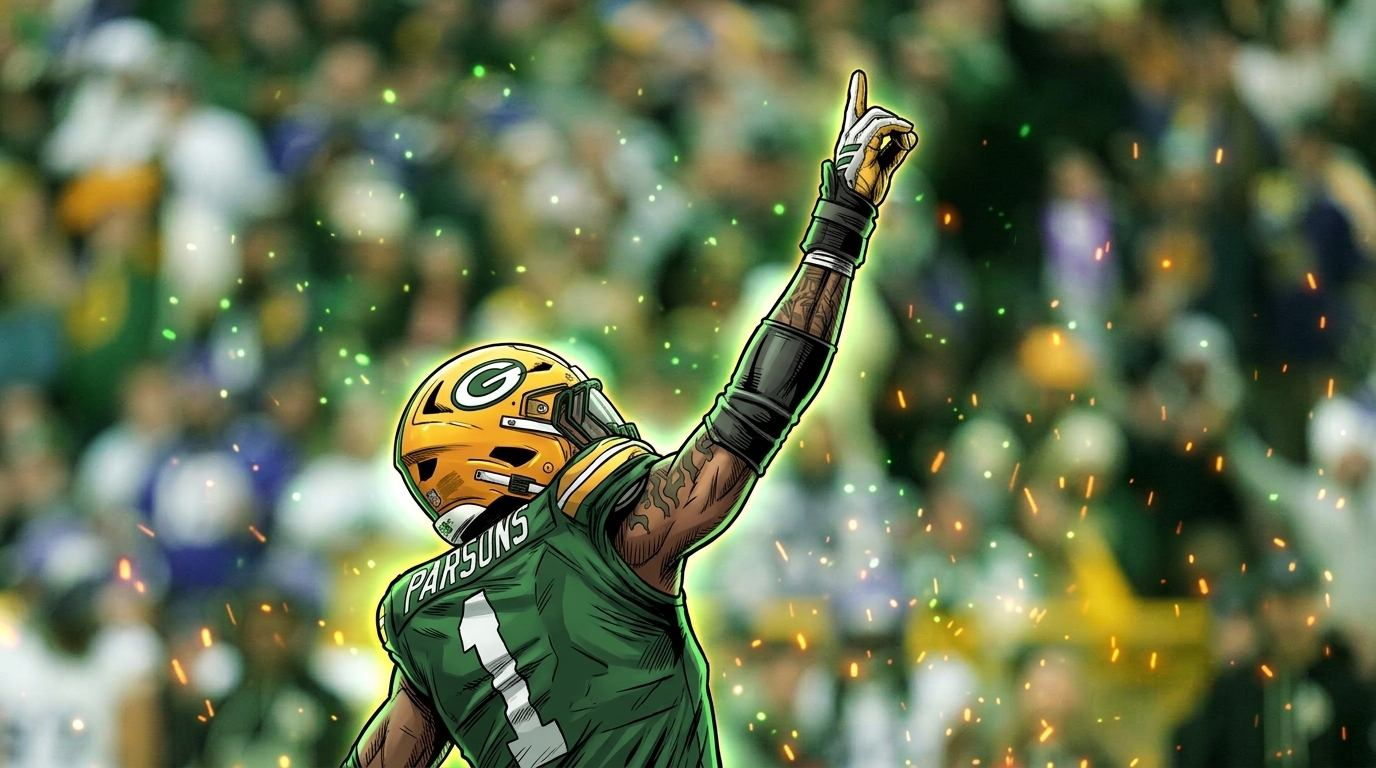

We’ve now watched the Green Bay Packers lose six straight games since Micah Parsons tore his ACL and meniscus, and the box scores keep rhyming: a healthy lead, a fourth quarter, a collapse. Per CBS Sports, Green Bay is 0-6 since that Week 15 injury against Denver last season, outscored 90-15 in the fourth quarter and overtime alone (eleven touchdowns and four field goals allowed across eighteen possessions). Parsons isn’t eligible to return until Week 5 at the earliest. This isn’t a team with a handful of things to fix. It’s a team with one issue, and that issue currently sits on reserve/PUP.
I grew up bleeding green and gold, and even I have stopped pretending this is about play-calling or a shaky secondary. Watching this roster blow leads for six games running feels less like a slump and more like watching someone try to finish a marathon on one working leg.
How Bad Is the Losing Streak, Really?
Blowing a multi-score second-half lead four straight times ties the record set by the 2000 Chargers, a 1-15 team that started three of those four games with Ryan Leaf at quarterback. Green Bay is doing it with Jordan Love at quarterback, a defense that finished last season among the league’s best, and a coach in Matt LaFleur who had blown a multiple-score second-half lead only four times in his previous 67 games before this stretch started. (LaFleur’s Packers used to be the league’s model for closing games; this version of the team never got the memo.) Comparisons like that matter less as trivia than as a signal of how rare it is for a roster with real talent to unravel the same way, at the same point in games, four times running. Teams lose close games all the time. They don’t usually blow the same shape of lead in the same quarter on a loop unless something specific broke.
Skip the full six-game inventory and look at the two that bookend it. Per Heavy.com, in the Wild Card round, Green Bay led Chicago by 18 points in the second half, the largest blown lead in a playoff game in franchise history, and lost 31-27. Then, in the 2026 opener, the Packers led Minnesota by 12 in the second half, got outscored 22-0 in the fourth quarter, and lost 39-22 in what was Green Bay’s worst fourth quarter in 45 years. Two different seasons, two different opponents, the same ending.
Before the injury, Green Bay was 9-3-1. Parsons was the engine of that defense, the reason the front seven could disguise coverage and still get home. Take him off the field and the same players who finished last year with one of the league’s better defensive units now field one of the worst.
What the Fourth Quarter Numbers Actually Show
The fourth-quarter collapse has a mechanical explanation. Since the injury, Green Bay has recorded 7 sacks total, a 4.2% sack rate that ranks second-worst in the league, and it tracks with the second-worst defensive EPA over that stretch (only Dallas, the team that traded Parsons away, grades out worse). A pass rush built around one disruptive player doesn’t quietly redistribute its production when that player leaves the field. It disappears. That’s the mechanism behind every one of those fourth-quarter box scores: not a coverage bust here or a blown assignment there, but a defense that can no longer manufacture pressure with four rushers, which buys opposing quarterbacks time, which is how leads evaporate on schedule.
Jordan Love isn’t blameless, but he also isn’t the problem the record suggests. He threw for 387 yards and two touchdowns in the Week 1 collapse against Minnesota before an interception under relentless second-half pressure, and none of that yardage mattered once the defense couldn’t get off the field. A quarterback can only outrun a leaking defense for so long.
When Does Micah Parsons Come Back?
Parsons is still eight months into rehabbing that ACL, and by his own account, the calendar isn’t moving up. Per ESPN, he’s said the team has “a pretty strong nine-month rule,” and that “there’s no good outcomes for players coming back early from ACL.” Green Bay acquired him from Dallas last year in the trade that sent Kenny Clark and two first-round picks to the Cowboys, and the front office has too much invested in that knee to rush it back for a random Sunday in October. That’s an organizational bet as much as a medical one: absorb an uneven start and build the entire operation around having a healthy Parsons in January.
The PUP designation means Parsons misses at least the first four games automatically, with eligibility to return to practice opening up before a Week 5 trip to Chicago. His stated priority is being ready for the playoffs, not for whatever’s left of the regular season by the time he’s cleared. After Sunday’s loss, he posted this:
https://x.com/MicahhParsons11/status/2099343955796107568
A note that reads like patience, not urgency.
I think the debate over whether this is a coaching problem or a quarterback problem is a waste of a news cycle. Green Bay’s floor and its ceiling are the same asset: a 26-year-old edge rusher who turns a good defense into a great one, and whose absence turns that same defense into one of the league’s worst by expected points. The historic playoff collapse, the tied NFL record, the worst fourth quarter in 45 years — all of it traces back to one knee. We’ve covered enough of these stretches to know the easy explanations — a shaky offensive line, thin secondary depth, conservative play-calling — rarely hold up once you isolate the variable that actually changed. This one holds up.
None of this excuses Green Bay’s coaching staff or its front office. It does put a deadline on the conversation. If Parsons looks like himself by mid-October, this roster still has enough talent to make the losing streak a footnote by January. If the knee doesn’t cooperate, or if he refuses to force his way back before he’s ready (he’s said he won’t), Green Bay is staring at a lost half-season built around waiting on one player to heal.
Every fall, teams talk themselves into believing a losing streak is complicated. This one isn’t. Green Bay will either get Micah Parsons back healthy enough to be Micah Parsons, or it won’t, and the record will follow the knee either way.