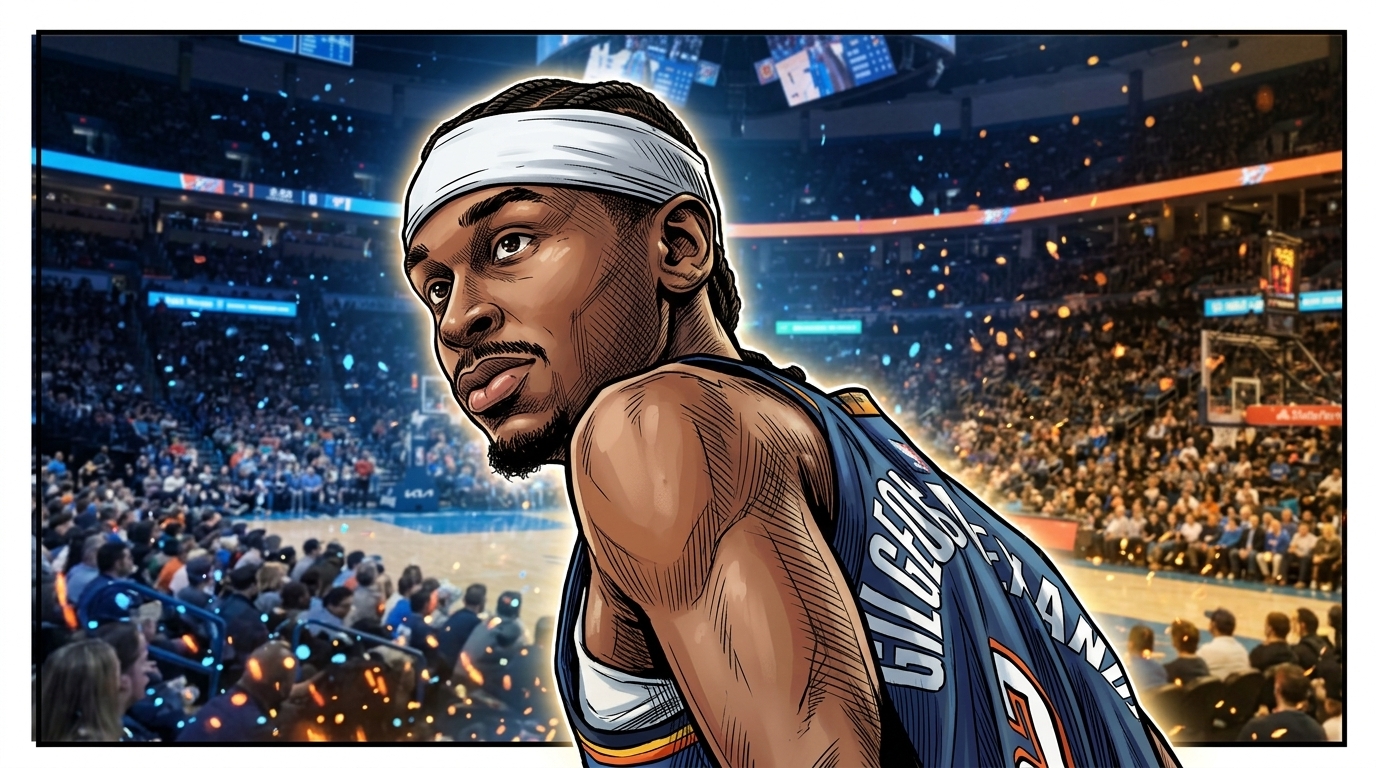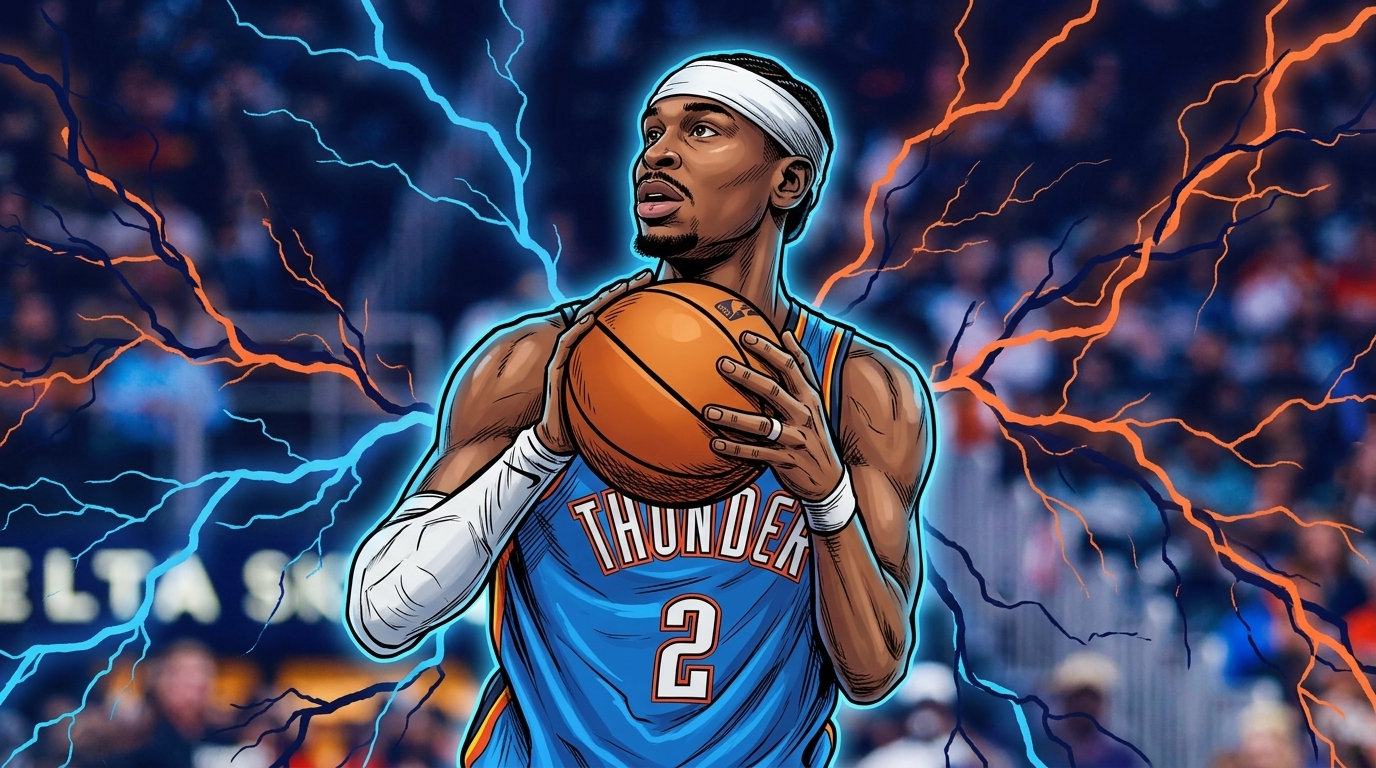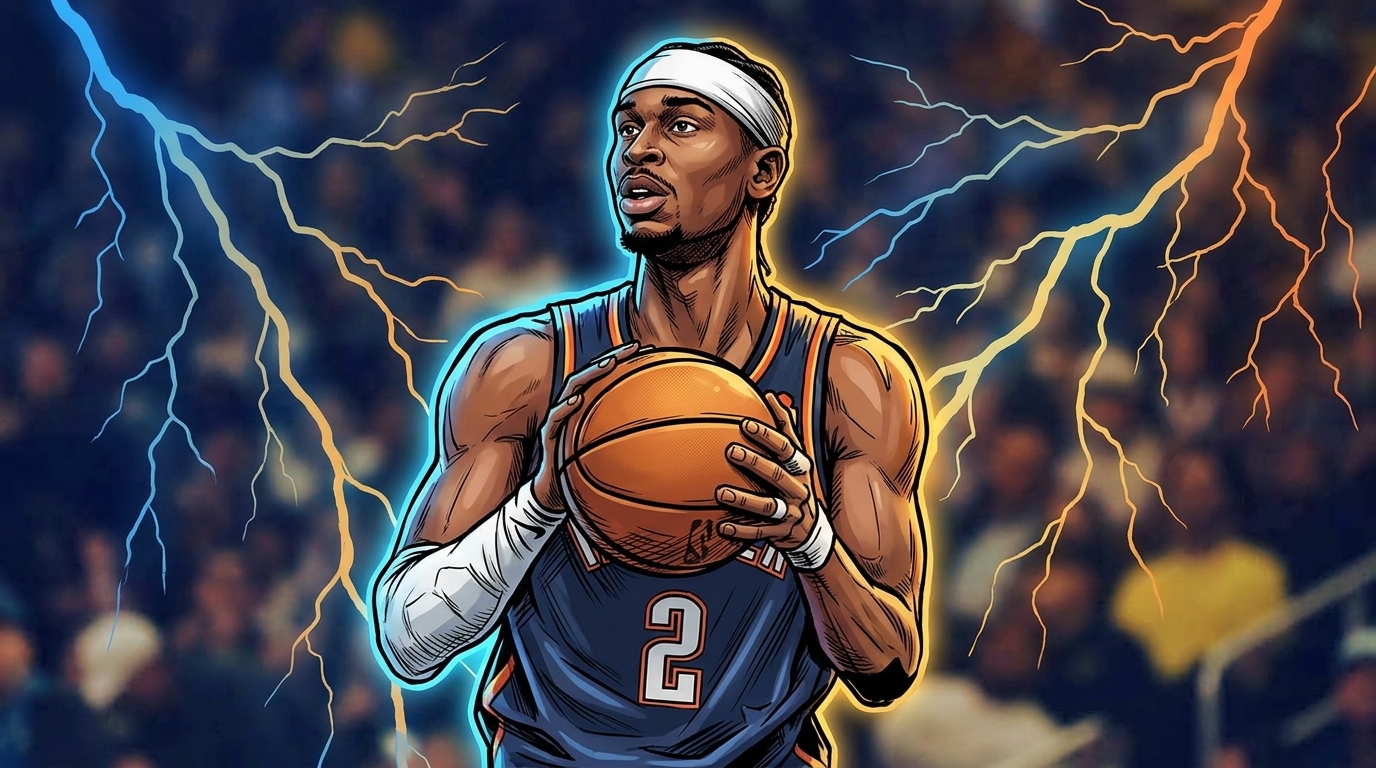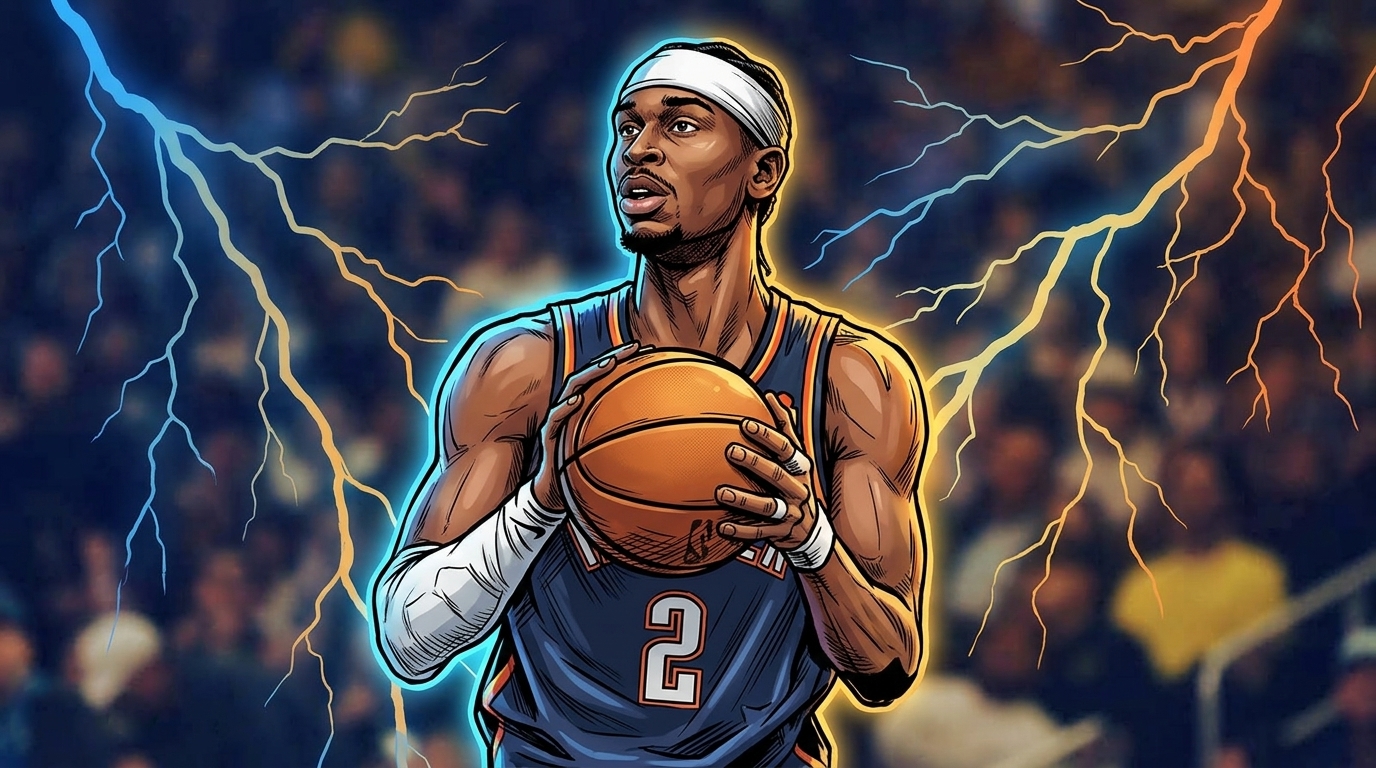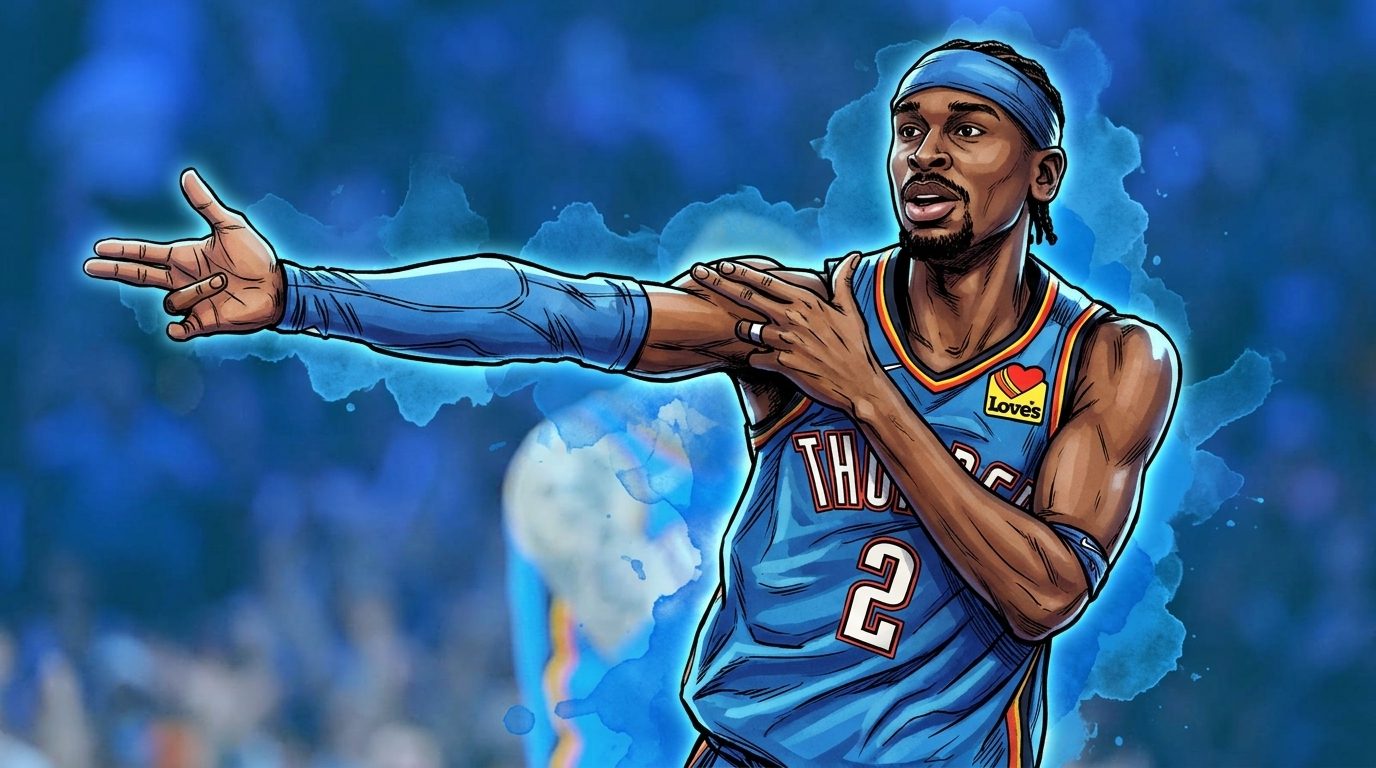

Ask how the greatest scoring streaks in NBA history have ended, and the answer is almost never the way you’d script it. A referee makes a call. A coach makes a substitution. A body just stops cooperating on the second night of a back-to-back in a building the team can’t wait to leave. What you don’t get, historically, is a player asking out of a blowout with the record still breathing. That’s the gap Shai Gilgeous-Alexander just stepped into, and it’s worth sitting with before getting to what it means.
The number is 141 straight games with 20 or more points, a run that started in November 2024 and carried through the Oklahoma City Thunder’s home opener against the Denver Nuggets on October 22 — the longest streak of its kind the league has ever produced, per NBC Sports. Oklahoma City won that game 96-84, comfortably, and Gilgeous-Alexander finished with 17 points on 6-of-19 shooting: 0-for-7 in the first half, 2-for-13 through three quarters, then a 4-for-6 fourth to get respectably close to 20 anyway. He didn’t get there. With 1:43 left and Denver already playing its deepest reserves, he asked Mark Daigneault to take him out. The record was still mathematically alive. He could have checked back in and kept hunting. That’s the part that separates this from almost every other streak death on record — not that it ended, but who decided it should.
Both men described the moment the same way afterward, and Yahoo Sports captured the fuller exchange. “I was gonna go out there,” Gilgeous-Alexander said. “And then I saw that they had subbed [in their deep bench]. So I thought we should sub too. You always treat the game with respect. God willing, I have many more games to start the streak.” Daigneault framed it as a decision that belonged to his star, not to him: “He asked out of the game at the end of the game. The class that it shows and the perspective it shows. That was his substitution.”
How the Longest Streaks in NBA History Actually End
The short version: Gilgeous-Alexander asked Daigneault to sub him out with 1:43 left in a 96-84 win over the Nuggets, finishing at 17 points instead of chasing the single basket that would have carried the streak to 142. He chose the ending before the game could choose it for him.
That alone makes him an outlier. CBS Sports traces the full lineage, and every other entry reads like something that happened to the player rather than something the player did. Wilt Chamberlain held the previous record at 126 games, from October 1961 to January 1963, and it ended when he was ejected in the first quarter. Not his call, not even adjacent to his call. (The number 127 gets repeated a lot in connection with Wilt’s name, but that’s actually the game count at which Gilgeous-Alexander passed him back in March, not the length of Wilt’s own streak. Worth untangling since it keeps getting flattened into one figure.) Michael Jordan’s 72-game run, tied for fourth-longest, ended on the road on the second night of a back-to-back, an 18-point night in a loss to Detroit, a tired, cold game, the kind that kills plenty of streaks without anybody choosing anything. Oscar Robertson’s 79-game streak from the 1960s sits on the list with no clean account of how it ended at all, a small reminder of how loosely this era tracked anything before box scores got serious about it.
Why Durant’s Ending Is the Real Comparison
The sharpest contrast isn’t Wilt or Jordan. It’s Kevin Durant, whose 72-game streak, also tied for fourth, ended in a situation nearly identical to this one: a blowout win over Denver, Durant sitting at 18 points, the outcome long since decided. Steve Kerr pulled him with 5:51 left. Same opponent. Same math. Same shrug-worthy margin on the scoreboard. The difference is that Kerr made that call, not Durant. Nobody asked Durant if he wanted to walk back to the bench with one more look at 20 still available; the decision got made above him.
Gilgeous-Alexander made his own. It’s a strange turn for a player known as much for the whistle-hunting that got him through the Western Conference finals as for the scoring: the same player who flopped his way through the Western Conference finals just as easily could have stayed in, missed a few more, and either stretched the streak or let it die to a bricked jumper instead of a decision. He picked the version where the record ends because he said so.
The league noticed the moment in real time.
https://twitter.com/CAlmanza1007/status/2113493015100621260
That’s the kind of reaction a voluntary ending gets that an injury or an ejection never would: relief instead of worry, a nod of respect instead of a wince.
What SGA’s Exit Says About Incentives
Here’s the part that should bother anyone who takes “winning plays” seriously as a league-wide value instead of a thing announcers say. Most individual records just close on their own, whether the person inside them likes it or not. Russell Westbrook’s own record settled nothing when he retired, a pile of triple-doubles that answered a counting question and nothing about what he’d have done with a cleaner choice sitting in front of him. Gilgeous-Alexander’s streak is the rare record that resolves by revealing a choice instead of a decline.
The answer sits in the roster, not the player. A rebuilding team’s leading scorer doesn’t get this option, not really. Every possession gets argued over on tape the team isn’t winning without him, and a 12-point lead with 1:43 left almost never happens because games like that don’t happen for bad teams. Gilgeous-Alexander’s record exists, in part, because the roster around him is deep and good enough that the ending to a random Wednesday in October barely needed him. The hunting that usually keeps a streak alive past the point of usefulness isn’t greed. It’s that most players have never had a team good enough to make the eighteenth point in a blowout optional.
Whoever chases a number like this one next will face the same fork eventually. What he does with it will depend far less on how badly he wants the record than on how good the roster behind him is — and on that measure, Gilgeous-Alexander just told us exactly where the Thunder stand.