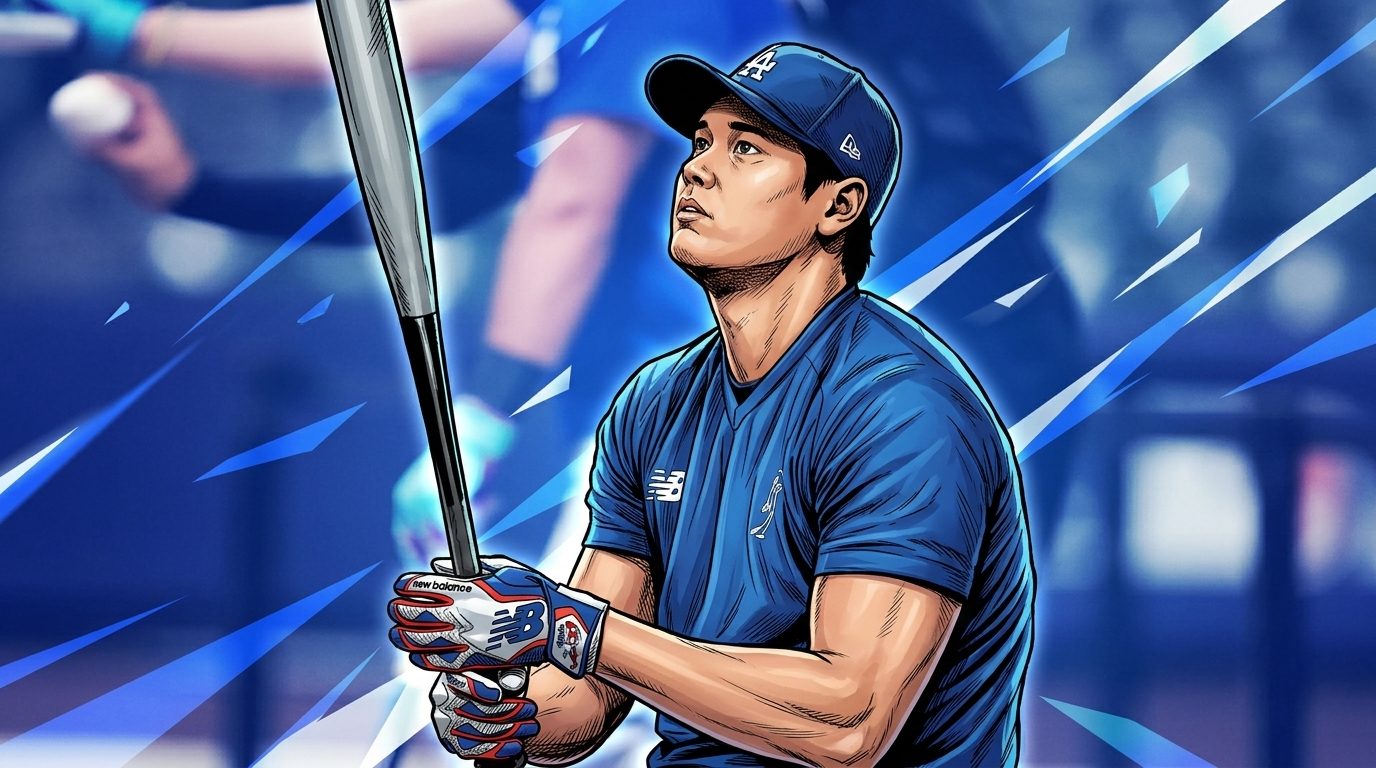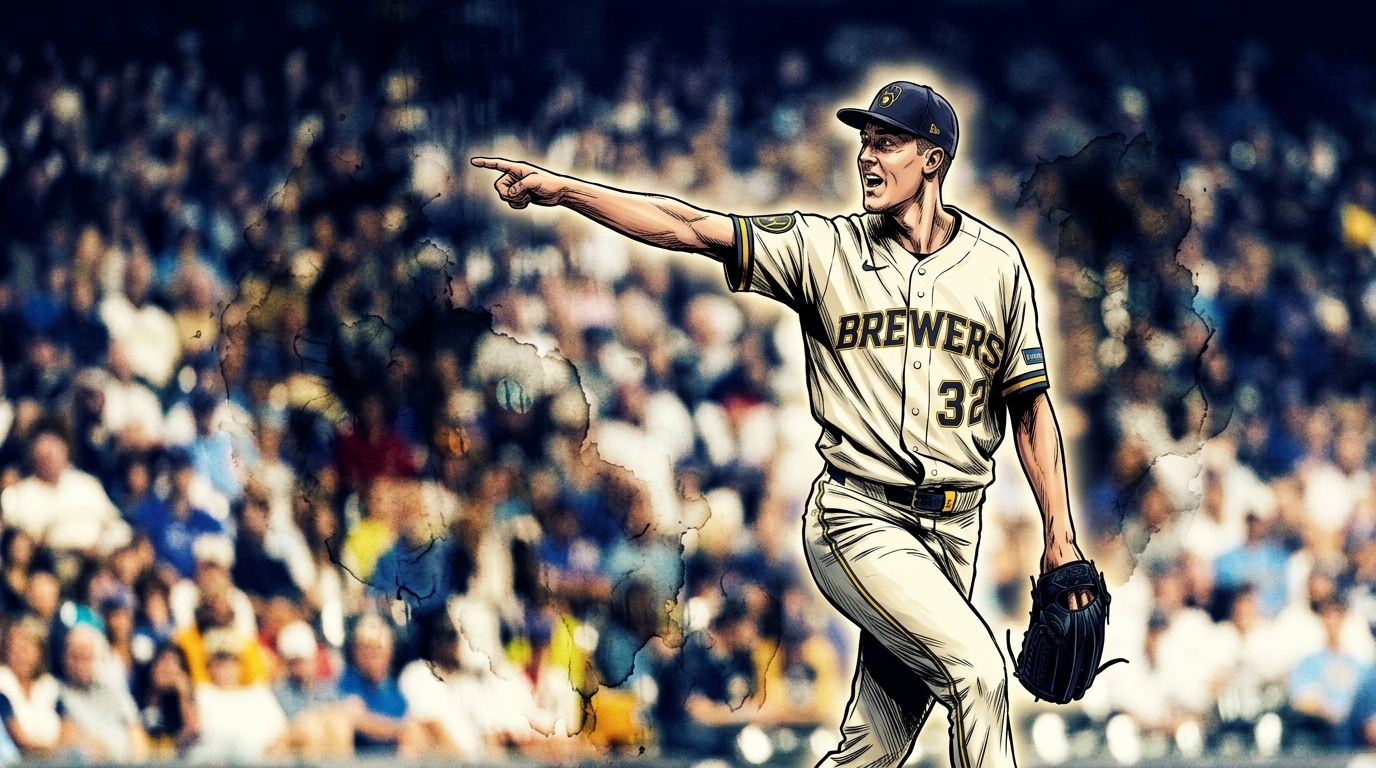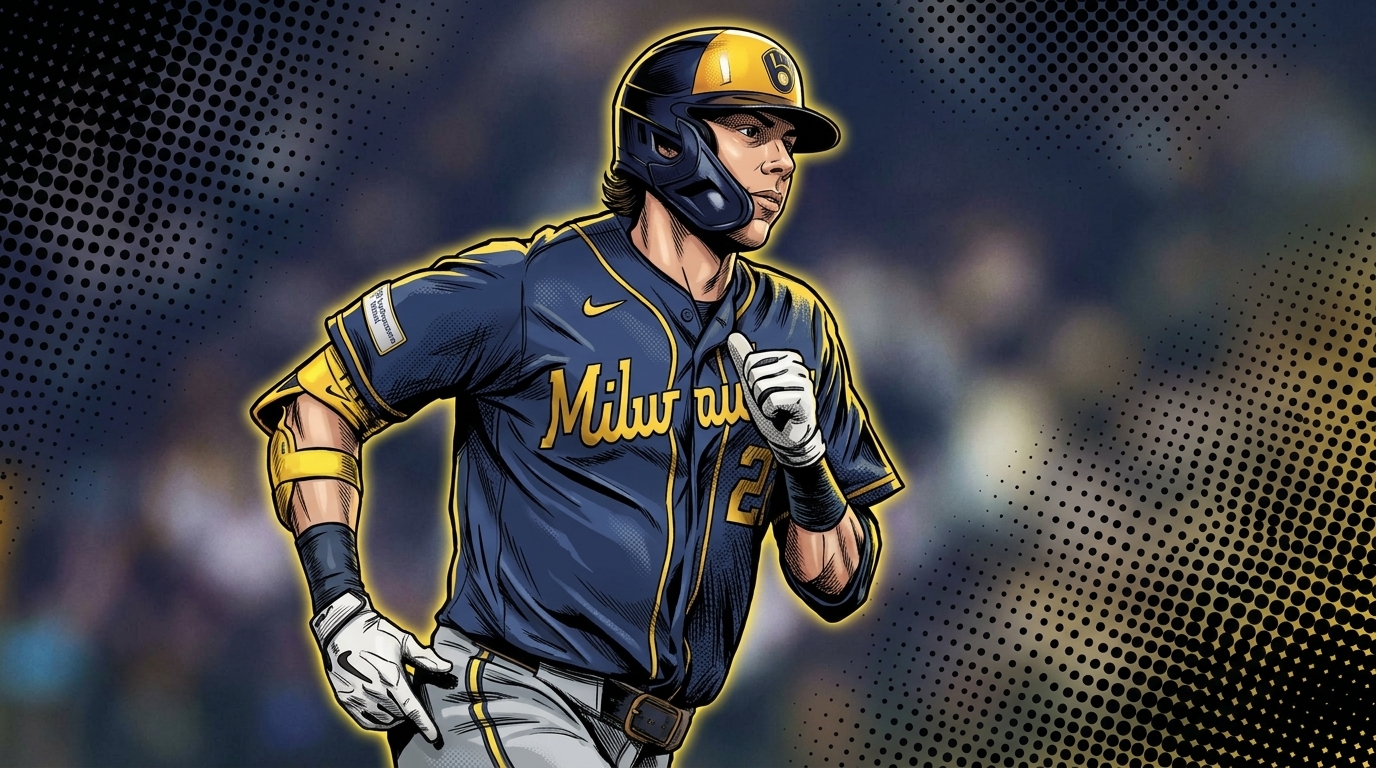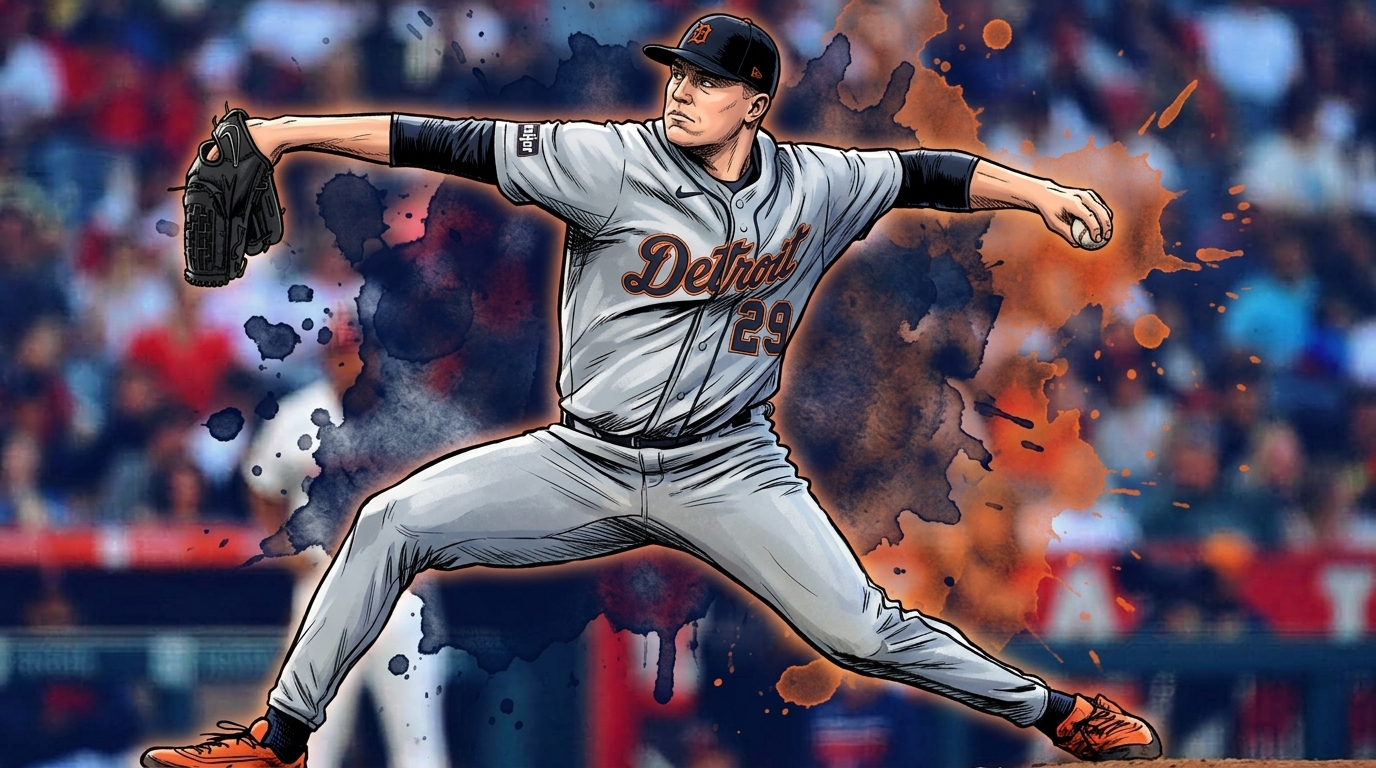

How many different pitchers does it take to turn a lineup built around Shohei Ohtani into a team that’s just guessing? In NLCS Game 1, the answer was five. The Los Angeles Dodgers lost to the Milwaukee Brewers 2-1 on Sunday night at American Family Field, and the final score undersells how little Los Angeles actually got to see. One starter and four relievers combined to hold a championship-caliber lineup to a single run on seven hits, and the Brewers now lead the series 1-0.
That’s the second layer worth sitting with. A 2-1 final built on bullpen innings isn’t a fluke of one good night, it’s a pattern that keeps showing up every October: short bursts of contact-limiting relief that never let a hitter see a pitcher’s shape twice. The Dodgers didn’t go cold because they ran into one dominant arm. They went cold because they never faced the same arm long enough to adjust to it, and that’s exactly the kind of edge a seven-game series can hide right up until it decides one.
Why Milwaukee’s Bullpen Is the Real Story of Game 1
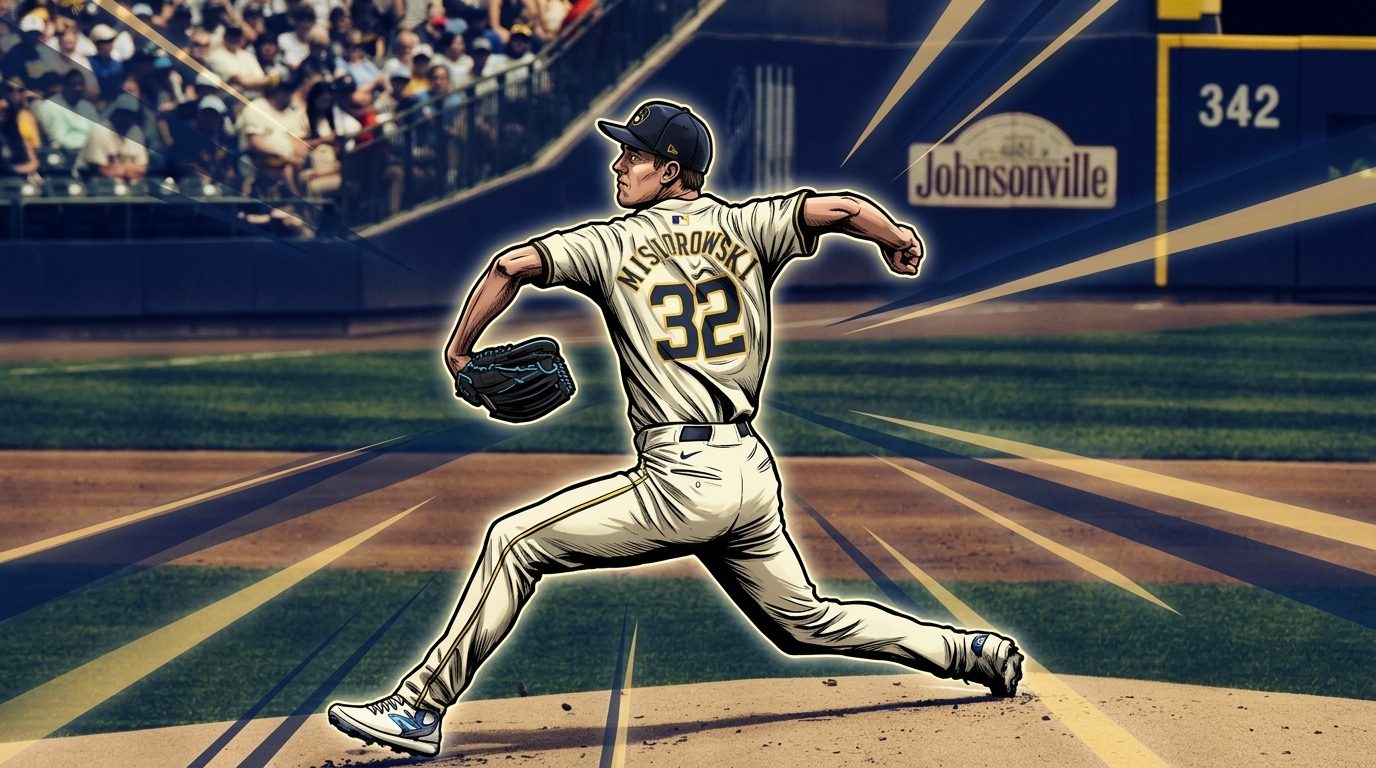
Jacob Misiorowski, the favorite for NL Cy Young this season, didn’t pitch a complete start. He went 4⅓ innings, allowed five hits and one earned run, walked three, struck out five, and threw 94 pitches before Milwaukee pulled him in the fifth. That’s a shorter outing than you’d want from your ace in a series opener, and if the story stopped there, Game 1 reads as a mild stumble for the Brewers’ best arm. It doesn’t stop there, which is the point.
DL Hall came in and induced an inning-ending double play to strand the Dodgers’ threat with the game still tied. Abner Uribe threw a scoreless sixth. Aaron Ashby covered the seventh and eighth. Trevor Megill worked the ninth, walked two batters with two outs, and still closed it out by getting Mookie Betts to end the game. Four relievers, 4⅔ innings, two hits allowed, zero earned runs. This postseason, Milwaukee’s bullpen has now allowed exactly one earned run across 23⅔ innings. That’s not a short sample getting hot. That’s a unit performing at a level where the math stops looking like variance.
How Many Pitchers Did the Dodgers Actually Face?
The Dodgers faced five different Brewers pitchers across nine innings and scored one run on seven hits total. Misiorowski started it, four relievers finished it, and Los Angeles never got consecutive at-bats against the same look twice in the same game.
Hitting is pattern recognition under time pressure. A lineup facing one starter for six or seven innings gets multiple looks at his release point, his sequencing, the shape of his breaking ball as it tunnels off his fastball. A lineup facing five arms in nine innings gets none of that. Each new pitcher resets the clock, and by the time a hitter has started to see something, he’s back in the dugout watching someone new warm up. That’s the same red flag that’s dogged this Dodgers lineup all October, and Sunday it showed up against a team that’s built its whole October identity around forcing it.
Is This Bullpen Math Repeatable Across a Series?
Here’s where the skepticism is fair: one game is one game, and a 2-1 final with 9 runners left on base for the losing team looks a lot like bad luck with runners in scoring position. The Dodgers went 1-for-6 with RISP and stranded nine. Betts, Freddie Freeman and Will Smith, the heart of the order, combined for 2-for-11 with one strikeout. Small samples swing on sequencing all the time, and a different bloop single turns this into a different recap entirely.
But the bullpen volume isn’t a small sample anymore. Milwaukee’s relievers carrying a sub-1.00 ERA across 23⅔ innings this postseason is a full month of evidence, not one night of it, and it lines up with how Misiorowski has pitched into October behind a season of dominance baseball still hasn’t fully reckoned with. The Brewers aren’t hoping their bullpen gets hot. They’re built around it getting deployed early and often, which is a repeatable strategy in a way that one clutch at-bat isn’t. Milwaukee entered this series as the roster with a $193 million gap that bullpen math keeps erasing against the Dodgers, and Game 1 is the clearest version yet of how that gap gets closed: not with better hitters, but with more arms than a lineup can solve in one sitting.
The part that should worry Los Angeles more than the final score is what happened to its own starter. Tarik Skubal was brilliant for three innings, striking out six through his first 40 pitches, before Brice Turang reached him for a 384-foot opposite-field home run in the fourth, Turang’s first career oppo-field homer against a left-hander and the first oppo-field homer Skubal has ever allowed to one. Milwaukee then took the lead in the fifth when Garrett Mitchell walked, advanced on a sacrifice bunt, and scored on a Luis Lara single. Skubal finished with five innings, five hits, two earned runs, seven strikeouts. He pitched like a Cy Young candidate and still lost, because his own bullpen never got the chance to mirror what Milwaukee’s just did.
https://twitter.com/DodgersNation/status/2109482518340903412
That’s the series through one game: the Dodgers’ best starter outpitched Milwaukee’s, and Los Angeles still lost, because star power attached to one arm only buys you so much when the other dugout is rotating five.
What Has to Change for Los Angeles in Game 2
Yoshinobu Yamamoto takes the ball for Los Angeles in Game 2, and nothing about the lineup needs to change nearly as much as the approach against relief innings does. The Dodgers can’t out-wait a bullpen that’s allowed one earned run all month; they have to do damage early, against the starter, before Milwaukee gets the chance to run five fresh looks at them again. Early counts, first-pitch aggression against Misiorowski-style stuff, forcing contact before the matchup turns into a bullpen game — that’s the only version of this series where the Dodgers’ lineup gets to be what it’s supposed to be instead of what Milwaukee keeps turning it into.
As a lifelong Giants fan, there’s a version of me that could watch the Dodgers get strangled by bullpen innings for seven games and feel nothing but satisfaction. The evidence suggests I should set that aside, because what Milwaukee is doing here isn’t about who’s wearing which uniform. It’s a blueprint, and until Los Angeles finds an answer for it, the Brewers are going to keep running it.