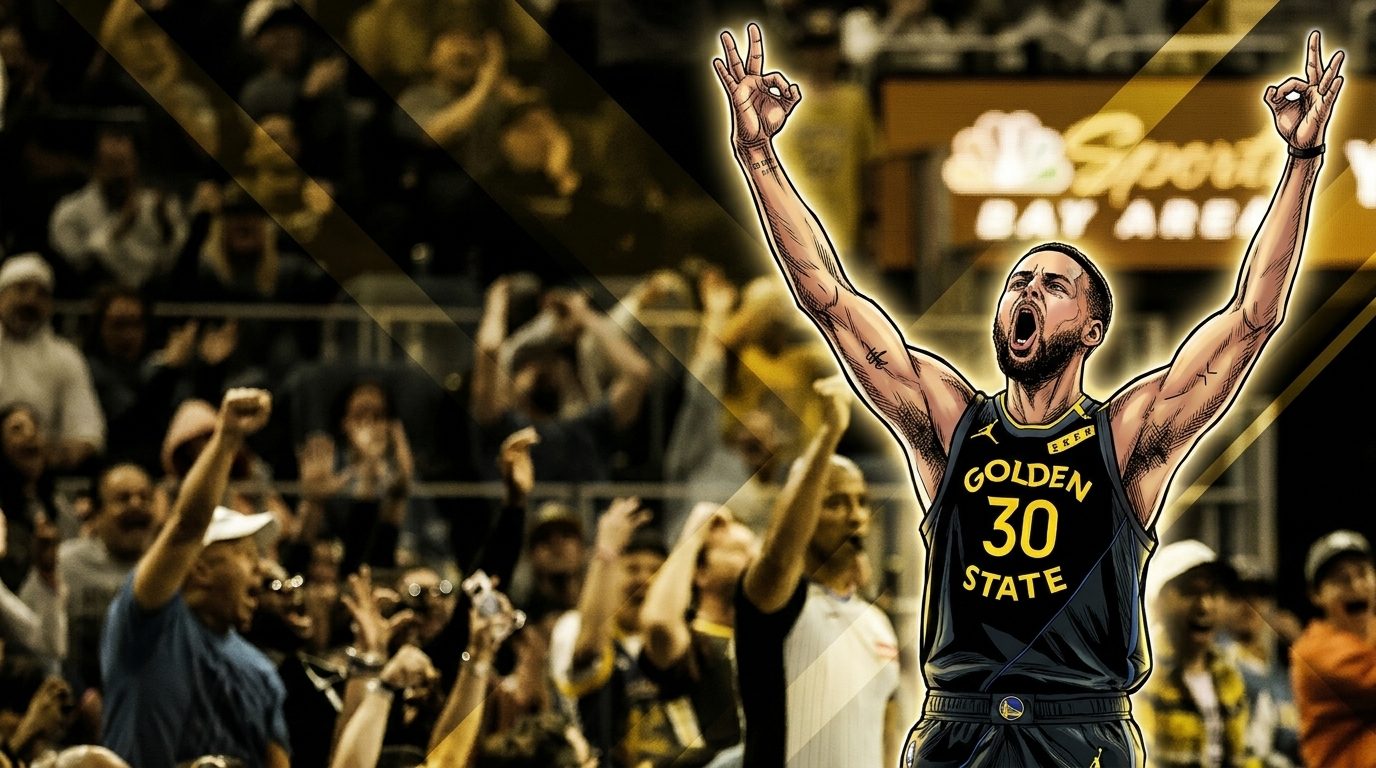

Twenty-six points. That was the Lakers’ biggest lead in a 131-125 win over the Raptors, built with 90 seconds left in the third quarter. By the time the bench had to hold it alone in the fourth, that cushion was already down to 16, then 5, before three starters had to sprint back out to save it. Luka Doncic finished with 45 points, a season-high 15 rebounds and 6 assists, the best scoring night of his Lakers tenure, and it still is not the headline that matters most. The headline that matters is what happens to a Lakers lead the moment Doncic sits down, and that pattern did not start Sunday.
What Actually Happened When the Lakers’ Bench Took Over?
Los Angeles led by 26 points in the third quarter. By the time coach JJ Redick pulled Doncic, Austin Reaves and Walker Kessler with 1:43 left in the fourth, the lead had already shrunk to 16. Toronto then scored in a hurry, cutting the margin to 5 in under a minute and forcing all three back onto the floor to close it out.
The Raptors entered Sunday at 3-2, a winning record against a schedule that includes real competition, not a lottery team padding a box score against a star taking the fourth quarter off. That distinction matters. A bad team cutting a 26-point deficit to single digits is a box score oddity. A plus-.500 team doing it the moment the best player on the floor sits down is a specific, repeatable weakness, and repeatable weaknesses are exactly what playoff opponents spend a week of film prep hunting for in May.
The 26 Became 5 Before Three Starters Had to Bail It Out
The sequence is worth walking through because the margin moved so fast. Los Angeles took a 36-23 edge in the first quarter, lost the second by a single point, then pulled away in the third behind Doncic to open the 26-point cushion. Toronto answered with a 43-27 fourth quarter, outscoring the Lakers by 16 points in the final 12 minutes alone, most of it compressed into the stretch when the starters were on the bench.
With 1:43 left, Los Angeles led 125-109. Then came a run that shows up in a box score as a footnote and shows up on film as a full breakdown in ball security: in well under a minute, Toronto had the margin down to 5. Redick sent Doncic, Reaves and Kessler back in to close it out, and Los Angeles held on from there for the final 131-125.
https://x.com/Lakers/status/2117118360563642581
Reaves finished with 19 points and 4 assists, and Kessler was close to perfect: 16 points on 6-for-6 shooting, 15 rebounds and 3 blocks. That detail shifts the blame away from any one player. The group, collectively, lost its handle on the ball with Doncic on the bench, and that is a harder thing to fix than benching a single name.
JJ Redick Already Told You What Went Wrong
Redick did not dodge it after the game. Asked about the stretch, he put it directly on ball security, not energy or matchups, via Yahoo Sports:
“We just didn’t do a good job of taking care of the ball in that situation. So I won’t make that mistake again. I’ll leave the guys in. You gotta play to the final buzzer, and if guys are not ready to play, then I just won’t put them in.”
That is about as direct an admission as a coach gives in real time. Redick is describing a decision he plans to change, which means he does not fully trust the group he had on the floor to protect a lead against a team that was actually trying to win. For a team with its sights set on June, that is a quote worth remembering past this week.
This Problem Didn’t Start Sunday: What the Numbers Show
This stretch did not come out of nowhere. Through October 30, two games before the Raptors visited, the Lakers had been outscored 164-119 in Doncic’s bench minutes across five appearances, excluding an Oct. 28 game he missed entirely, a swing documented in a lineup breakdown published before this game. Translate that into a number that means something day to day: Los Angeles posts a net rating of plus-17.9 with Doncic on the floor this season, and the Reaves-Kessler pairing, without him, has been running at minus-18.5. That is not a close gap.
By the numbers:
- Plus-17.9 net rating with Doncic on the floor this season
- Minus-18.5 net rating for the Reaves-Kessler pairing without him
- Minus-26 specifically during Doncic’s 10:39 of bench time on Oct. 30
- 164-119, the scoring margin against the Lakers across his bench minutes in the five games before Sunday
The same pattern cost Los Angeles a win outright two nights earlier: the Lakers blew a 23-point lead to Golden State, and Doncic’s bench window was the specific stretch where it happened. Sunday was not an isolated bad quarter. It was the same failure mode showing up again, just barely surviving this time instead of losing outright.
https://x.com/mcten/status/2117114529838731517
The front office tried to address exactly this over the summer. Kessler arrived in a sign-and-trade from Utah worth four years and $130 million, a deal that cost Los Angeles four first-round assets: two unprotected picks in 2031 and 2033, plus swaps in 2028 and 2030. That is the single biggest bet the Lakers made on frontcourt depth all offseason, and against Toronto, Kessler held up his end of it. His box score clears him of blame here. Whatever breaks down around him happens once Doncic stops initiating the offense.
Why November’s Box Score Won’t Matter in May
Box score history says a big scoring night from a star covers for almost anything in the regular season. Doncic’s 45 points bought enough cushion that even Toronto’s late run only pulled them within 5, never a tie and never the lead. In November, that margin of safety is usually enough.
A seven-game series erases that slack. Good defenses do not guess at a weakness once. They build a scouting report around it, target the ten minutes a night when Doncic sits, and attack exactly the possessions this bench has already shown it cannot survive. Toronto is not walking into a playoff series with Los Angeles any time soon, but whichever team does will have a growing file of October and November tape to work from, and Sunday night will be in it.
If the pattern holds, call it the Doncic tax. The Lakers paid four first-round assets to fix their bench depth and still have not fixed it. The group looks fine with Doncic on the floor and bleeds without him, at a rate opposing coaches can set a clock to. Fix it before April, or the next version of this story will not end with a Kessler dunk and a six-point win.