
Kelsey Mitchell Says Fever Fans Are Cruel. Cox Disagrees
K-pop companies have a reliable move for when an idol says something true in public: deny it happened, or, if there’s video, insist she was exhausted and misspoke. I’ve followed the fan accounts that track this pattern for years, and it only works because it’s aimed at a number, not a person — whatever revenue stream gets protected the moment a star’s complaint becomes inconvenient.
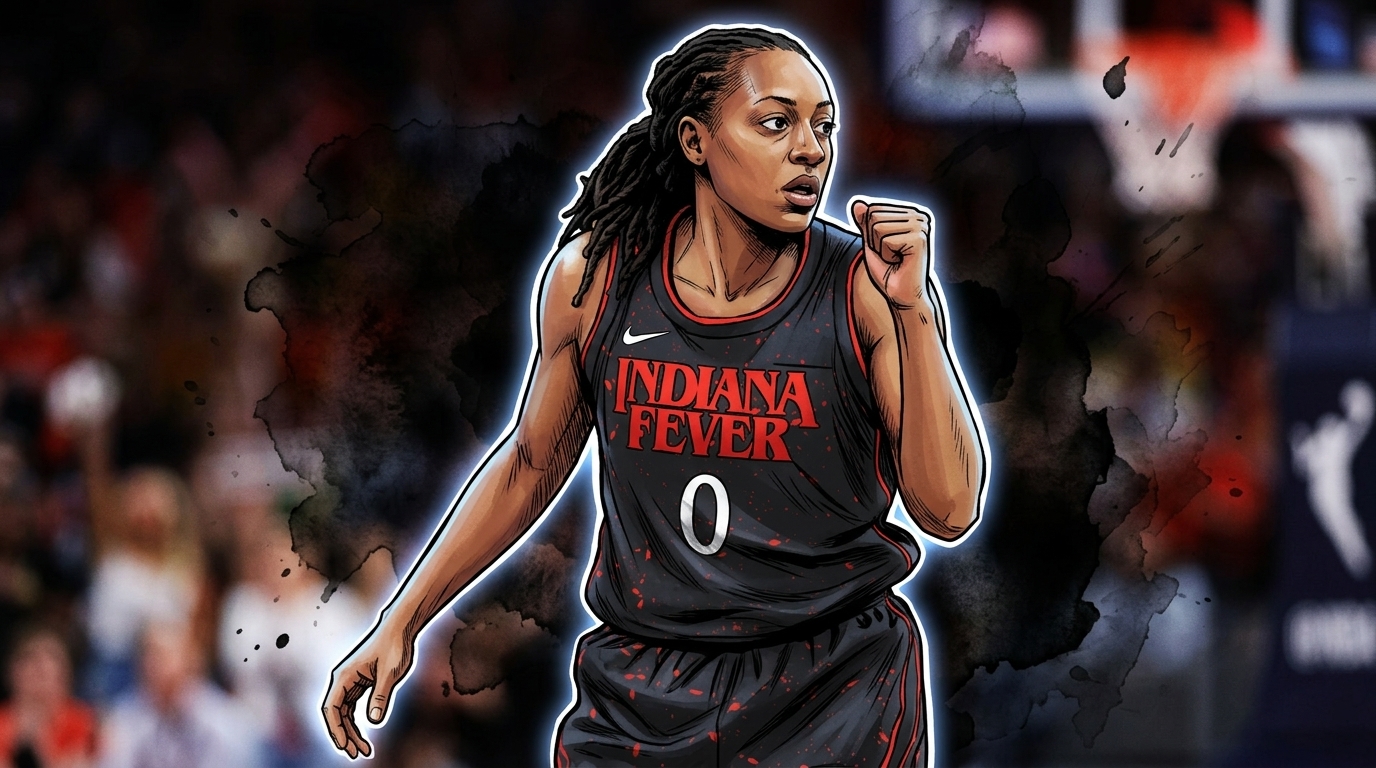
Kelsey Mitchell, a guard for the Indiana Fever, ran into a version of that same move this week, just without the K-pop conglomerate. In a Players’ Tribune essay, she wrote that “some of the newer fans have been really hateful online to the incredible women in our league, and to me and our Fever players as well.” Days later, at the team’s end-of-season press conference, Fever general manager Amber Cox said the opposite: “The attacks on our fan base have no basis in reality and they need to stop, especially with members of the media.” Only one of them reads Mitchell’s mentions, and it isn’t the GM. The gap between those two sentences isn’t really about defending “the fans” as a faceless group — it’s about protecting the commercial boom that arrived with the Fever’s breakout attention from the ugliest thing that boom produced. Both quotes are already circulating online as separate screenshots, and which one a given account reposts says less about Mitchell or Cox than about what that account wants fandom to be.
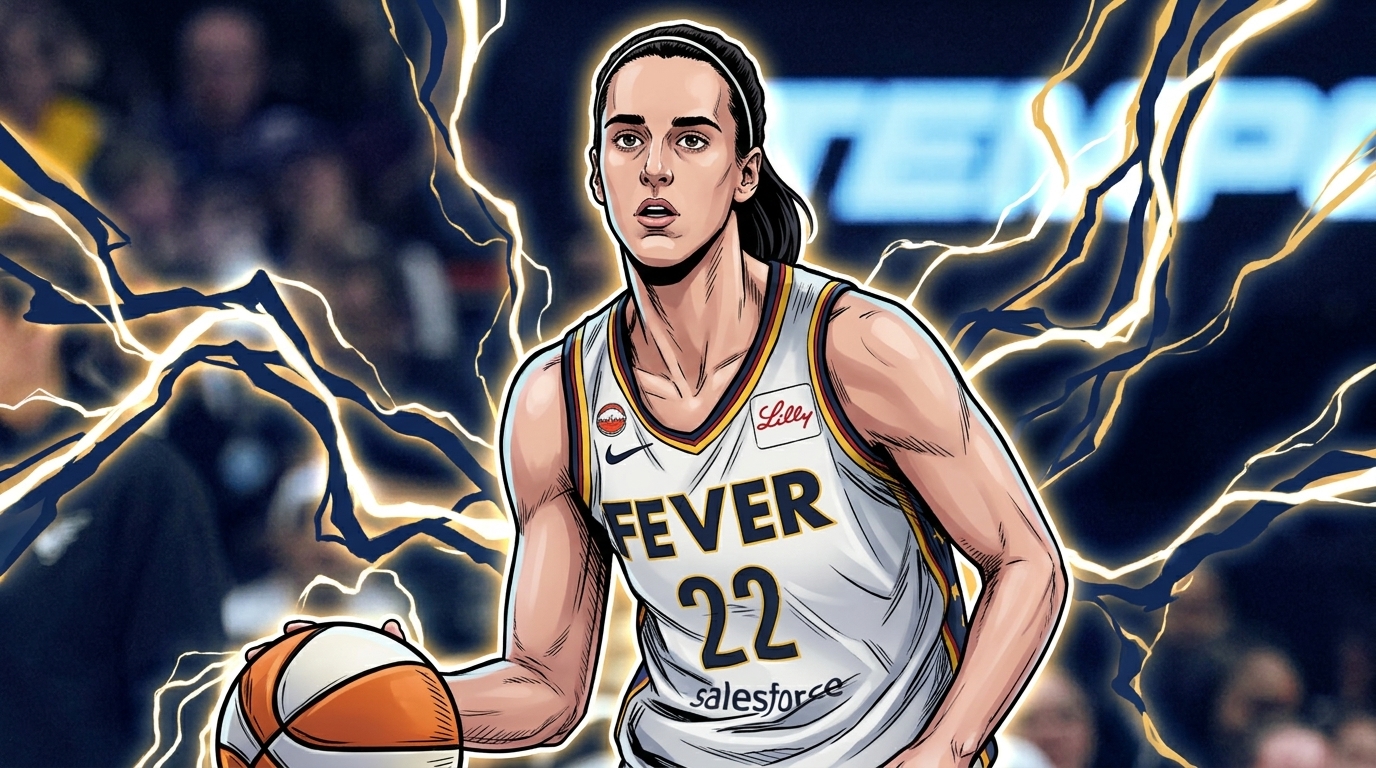
The part that makes Cox’s denial land so strangely is the part nobody at that press conference wanted to name directly. Caitlin Clark turned the Fever into appointment viewing, and the hateful messages showed up on the same timeline as the merch revenue, the national broadcast slots, and the arena upgrades. Mitchell gets “a lot of flak for just being on [Clark’s] team,” she said at that same press conference, a strange thing to have to say about the fans in your own arena. “Showing up every day to compete for fans that may or may not like you is hard,” she added.
Then she got specific about the scale of it. “If I showed y’all my DMs about the hate and all of the stuff that comes with being a professional athlete but specifically being an Indiana Fever basketball player, it’s a lot,” Mitchell said. Her teammate Aliyah Boston described something similar days earlier: “so much hate spread” on social media, enough that Boston stepped away from the apps for a stretch this season. Two players on the same roster, independently, describing the exact thing their GM just told a room full of reporters wasn’t real.
None of this requires speculation. Here’s what showed up under Mitchell’s name this week:
https://twitter.com/MostlyWNBA/status/2106756935680925751
It isn’t a hypothetical. It’s a reply, sitting in a mentions tab, the same week the team’s own general manager told a room full of reporters the premise was fiction.
Notice what Cox actually targeted. She didn’t just say the harassment wasn’t happening. She pointed to the team’s code of conduct, noting no fan has violated it and nobody has been removed from a game. That’s a real measure of what’s visible to arena security. It is not a measure of what’s sitting in a woman’s DMs at midnight, which is the entire category of harassment Mitchell and Boston described. Cox also aimed a specific line at “members of the media,” later clarifying she meant outlets that “have never been to a game at Gainbridge Fieldhouse,” not the beat writers who cover the team regularly. That’s a narrower target than it first sounds, but it’s still a tell: the complaint isn’t really about accuracy. It’s about which stories get told from inside the building and which ones don’t. That’s the brand-protection reflex doing its job: redirect from the player’s testimony toward the messenger, and let the actual fans stay a faceless abstraction nobody in the building has to answer for.
What Mitchell actually asked for wasn’t a boycott or an apology tour. She said she hopes “the powers that be will do a better job of advocating for us and making that clear to everybody. We need more institutional support.” Her own front office answered that request by calling her account of the last few months make-believe. That gap, between what a player says she needs and what her employer says is even real, is going to keep shaping the rest of this WNBA season whether or not the Fever want to admit it’s there.
I don’t know what it costs a GM to just say “we hear you, we’re working on it” instead of reaching for “no basis in reality.” Maybe it costs more than one guard’s mentions are worth to whoever’s protecting the rest of it. We’ll keep tracking how this plays out in our WNBA coverage, but I keep landing on the same detail: of the two people who spoke at that press conference, only one of them has actually read what Fever fans are saying to Kelsey Mitchell.