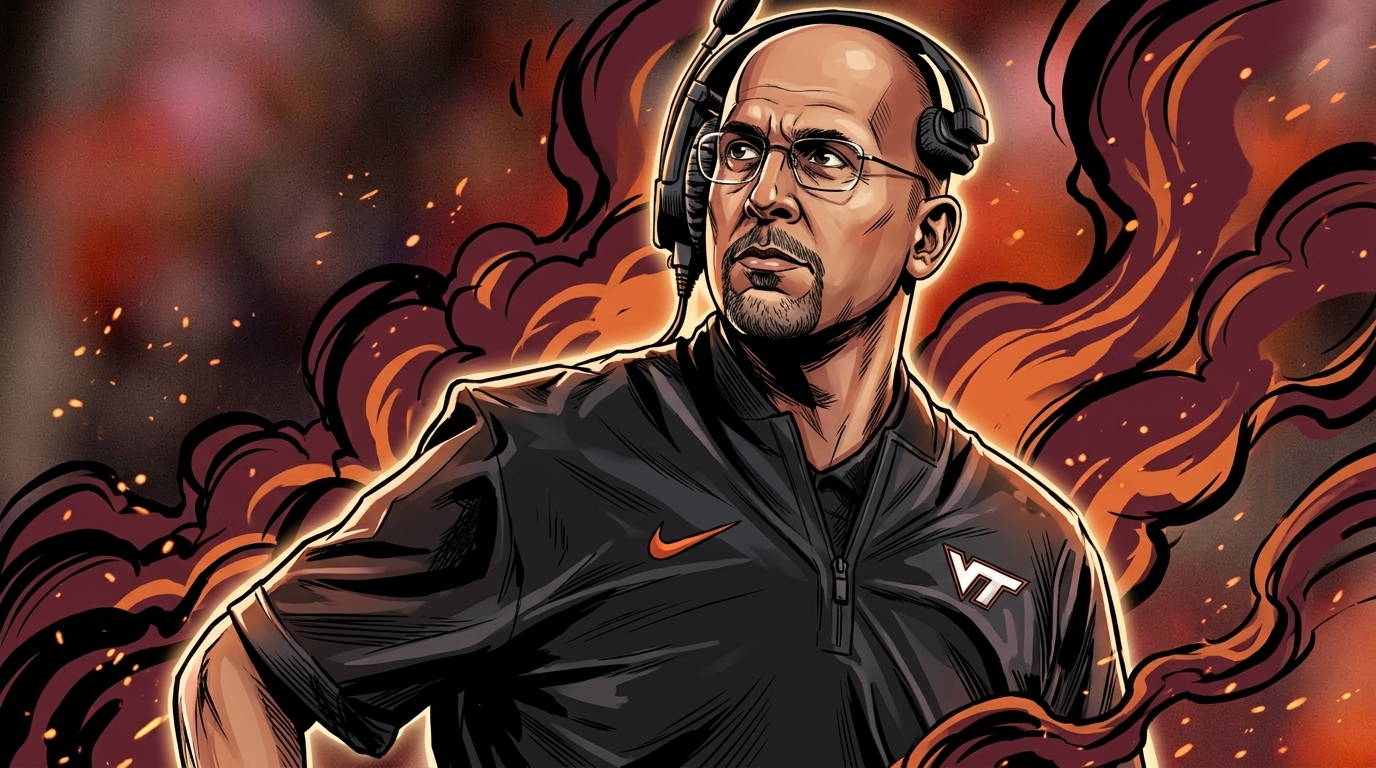

What does it actually take to prove something on a football field if the poll won’t count it? Tulsa beat Oklahoma State by two touchdowns on September 5. Eight days later, Oklahoma State walked into Stillwater and beat No. 6 Oregon as a 23.5-point underdog. Chain those two results together and Tulsa looks like a ranked team by any reasonable transitive standard. The AP Top 25 released Sept. 13 has Oregon sitting at No. 21, Oklahoma State outside the poll entirely, and Tulsa nowhere close.
That gap is worth more than a Tulsa grievance. Three weeks into the season, AP voters are still leaning on preseason brand recognition over what has actually happened on the field, and that’s not a quirk that quietly resolves itself by November. It’s the same instinct that, with higher stakes, shapes who gets left out of the College Football Playoff.
The Transitive Logic the Poll Ignored
Start with the results in the order they happened. Tulsa beat Oklahoma State 24-10 in Tulsa on Sept. 5, in what was Oklahoma State’s season opener. Tulsa followed that with a road win at Sam Houston State, 23-17, and sits 2-0. Then, on Sept. 12, Oklahoma State went to Stillwater and beat Oregon 39-31 as a 23.5-point underdog, according to our own point-spread tracker — a number that reflected a program that had finished the previous season 1-11 and dropped 21 straight FBS games before that win. Snapping a losing streak that long against an AP top-10 opponent had never happened in FBS history until Oklahoma State did it.
One college football account ran the poll math and landed on the same confusion.
https://twitter.com/CFBKings/status/2099201852524871870
Those are the same three results anyone can pull off a schedule page, just arranged in the order the poll seems unwilling to read them in.
Why Was Oklahoma State a 23.5-Point Underdog Anyway?
Oklahoma State opened as a 23.5-point underdog because the season before it offered nothing to work with: a 1-11 finish and a 21-game losing streak heading into the Oregon game. Sportsbooks priced the matchup off that history, not the roster Oklahoma State actually had on the field in September, and the line stayed lopsided anyway.
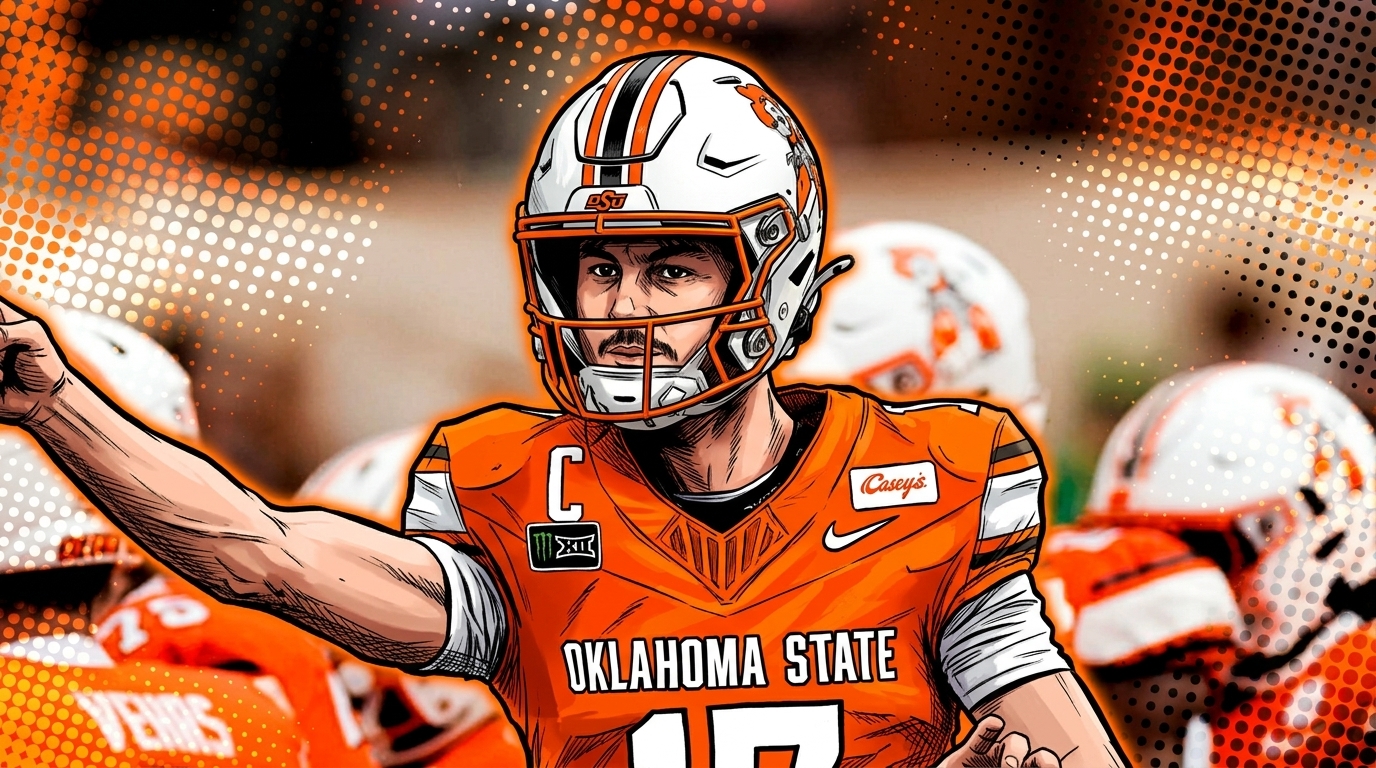
The stat line backs up how wrong that number turned out to be. Oregon’s defense allowed 554 total yards, essentially handing Oklahoma State the game plan it wanted, while quarterback Dante Moore was sacked four times trying to keep pace. On the other side, Drew Mestemaker put up 317 passing yards and 109 rushing yards with three total touchdowns, exactly the dual-threat problem a defense coming off a shaky performance the week before wasn’t built to solve. Oregon had already looked unsteady at home against Boise State the week prior, which is part of why voters weighted the Oklahoma State result as heavily as they did once it landed.
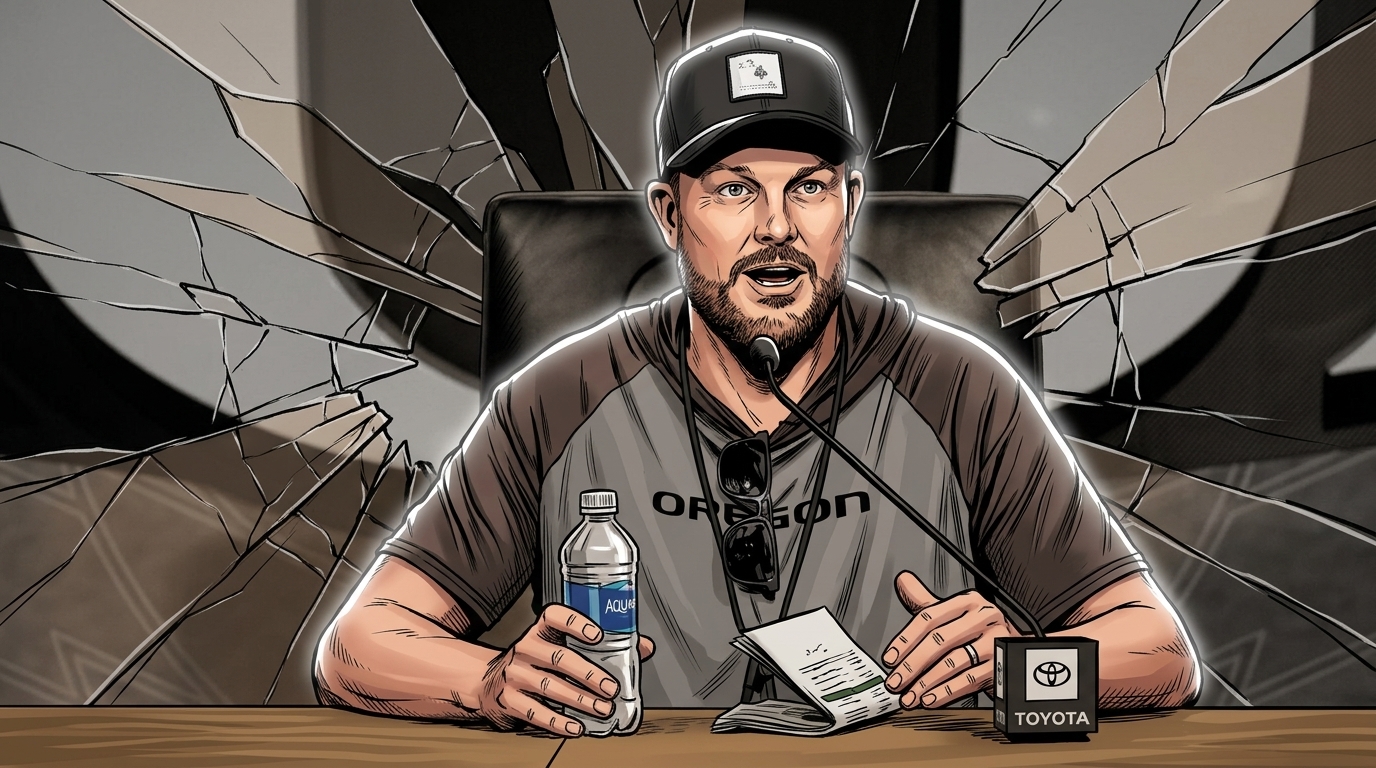
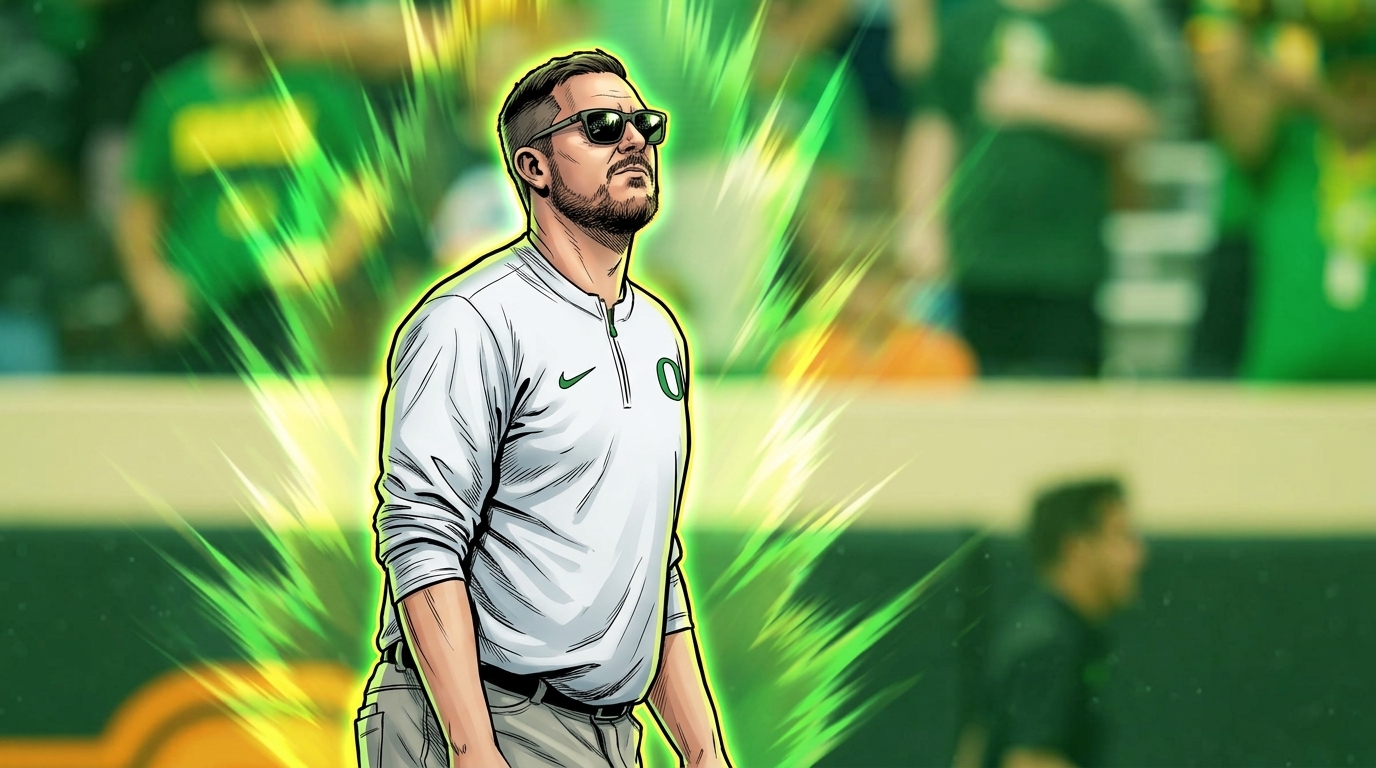
Dan Lanning didn’t dress it up afterward. “The score was closer than it really was, because it wasn’t close in a lot of ways,” he said, before adding that Oregon needs to “get up and get better and going back to work.”
Is the AP Poll Still Ranking Last August?
Not entirely, but close enough to notice. Oregon fell 15 spots to No. 21 after the loss, propped up more by preseason standing than by anything it did against Oklahoma State. Oklahoma State, the team that actually won that game, sits outside the rankings. Tulsa, which beat Oklahoma State by two touchdowns a week earlier, isn’t ranked at all.
The gap shows up even in the fine print of the poll’s release. Among teams that received votes but missed the actual Top 25, Washington led with 172, followed by Florida (83) and Boise State (57). Oklahoma State came in fourth with 36. Tulsa placed sixth, with 18 — barely half of what Oklahoma State received, despite Tulsa beating Oklahoma State head-to-head eight days earlier.
AP voter Koki Riley said the quiet part out loud: “almost nothing they’ve done so far suggests they’re a Top 25 team.” Riley said that about the team still ranked 21st nationally, while the team that beat them stays unranked. That gap between what a voter will say out loud and how the ballot actually reads is the inertia this whole argument rests on.
What This Means for the Committee in December
Worth being precise here: the AP poll is a media exercise, voted on by sportswriters and broadcasters, and it’s a separate body from the College Football Playoff Selection Committee, which doesn’t begin its own rankings until November. Different room, different people, different job. But the bias on display in Week 3 is the same bias that shows up once the Playoff committee’s rankings actually carry weight: crediting a team for where it was supposed to be over what it has proven against the teams standing in front of it.
If preseason brand recognition can keep a team ranked after a 39-31 loss to a 23.5-point underdog in September, when the stakes are a magazine cover, there’s no reason that instinct disappears once the stakes become a Playoff bid. Oregon’s résumé is thinner than a 15-spot drop suggests. Tulsa’s case is stronger than an 18-vote afterthought. The December version of this problem will have Playoff spots attached to it instead of a ranking number, and the same quality-of-loss chain getting ignored right now is exactly what will decide who’s in the field and who’s watching from home.
Tulsa isn’t walking into Playoff position off a 2-0 start against this schedule, and nobody serious is arguing it should. The smaller point is harder to wave off: a team that beat the team that beat a top-10 opponent got 18 votes, and the team it dominated is still ranked comfortably ahead of it. Expect that same scoreboard-versus-brand tension to resurface in November with a lot more on the line than where Oregon sits on a Tuesday afternoon in September. For more on how this season’s chaos is shaking out, check out the rest of our college football coverage.