2016 NBA Finals
The Cleveland Cavaliers erased a 3-1 deficit to beat the 73-9 Golden State Warriors 4-3 in the 2016 NBA Finals, with LeBron James named Finals MVP.
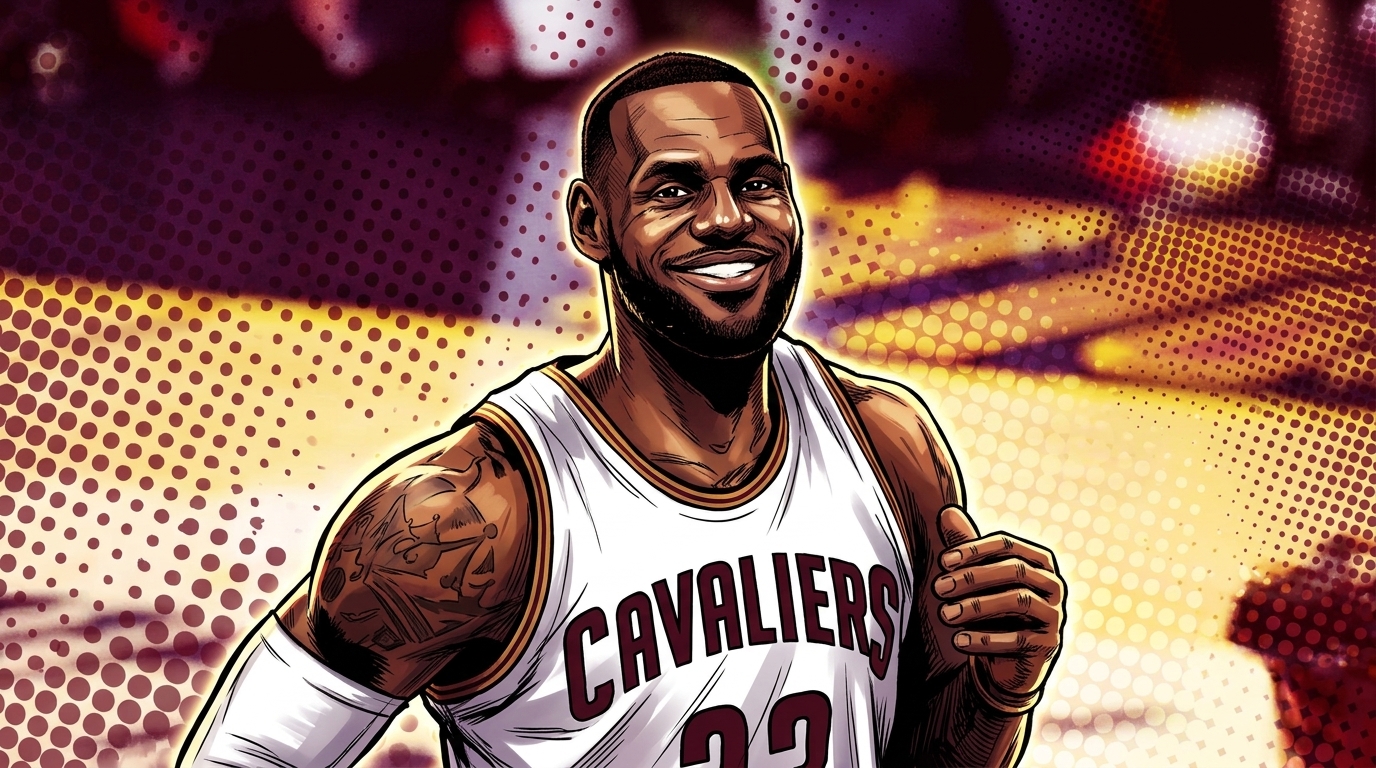
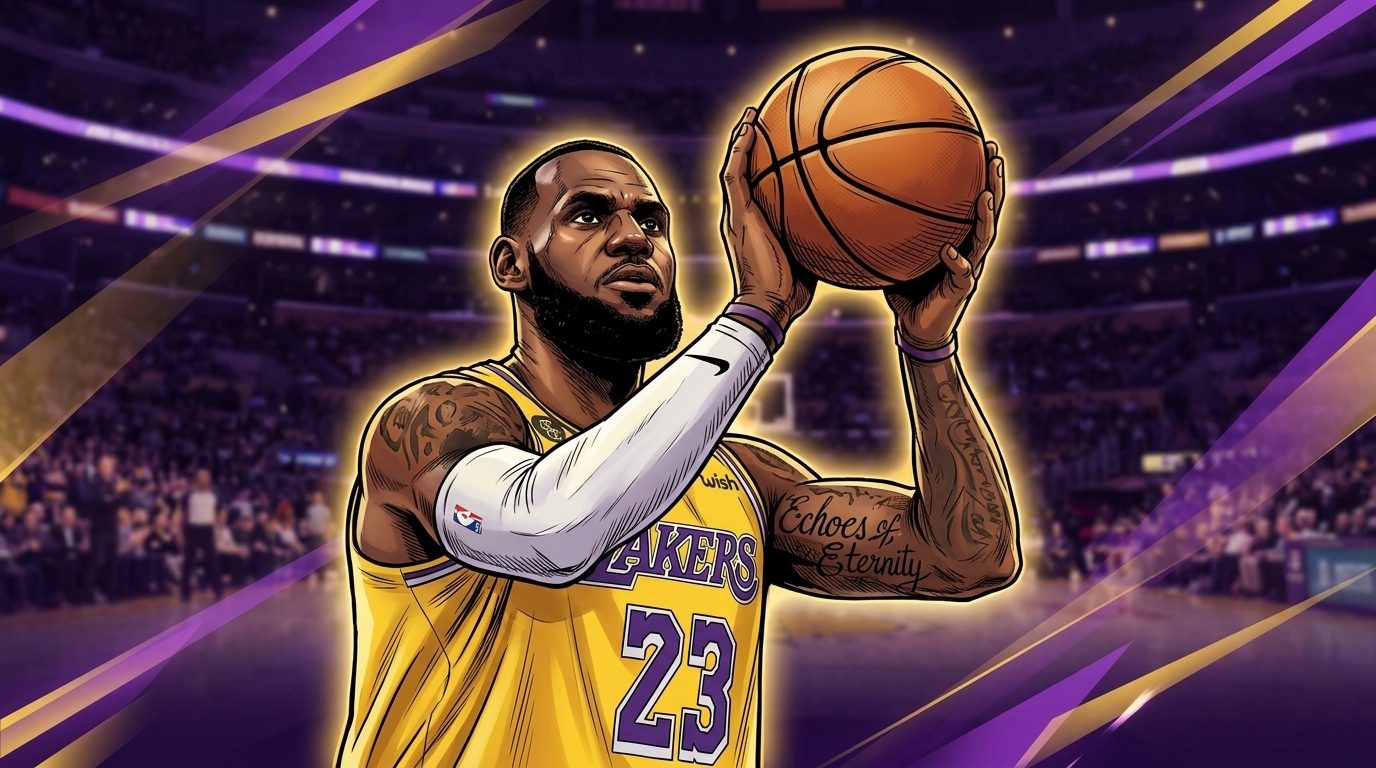
The 2016 NBA Finals ended with the Cleveland Cavaliers beating the Golden State Warriors 4–3 to win the first championship in franchise history — and, in the same stroke, handing the 73–9 Warriors, holders of the best regular-season record the league had ever produced, the sport’s most famous collapse. Cleveland became the first team in NBA history to recover from a 3–1 deficit to win the Finals, and LeBron James — who led every player in the series in points, rebounds, assists, steals and blocks — was named unanimous Finals MVP.
| Fast facts | |
|---|---|
| Champion | Cleveland Cavaliers (first title) |
| Runner-up | Golden State Warriors |
| Dates | June 2–19, 2016 |
| Venues | Oracle Arena, Oakland · Quicken Loans Arena, Cleveland |
| Series result | Cavaliers 4–3 |
| Finals MVP | LeBron James |
| Game 7 audience | ~31.0 million U.S. viewers (as reported) |
The setup
The Warriors arrived as a juggernaut. Golden State had won the 2015 title, then spent the following season chasing history, finishing 73–9 to break the 1995–96 Chicago Bulls’ record of 72–10. Stephen Curry, coming off the first unanimous MVP award in league history, headlined a roster that also featured Klay Thompson, Draymond Green and sixth man Andre Iguodala, the reigning Finals MVP from 2015.
Cleveland’s path ran through LeBron James, who had returned to his home-state franchise in 2014 after four seasons and two titles in Miami. Around him the Cavaliers built a core of Kyrie Irving and Kevin Love, and midway through the 2015–16 season replaced head coach David Blatt with Tyronn Lue. The two franchises had met in the 2015 Finals, which Golden State won in six games while Irving and Love were sidelined by injury. The 2016 rematch offered Cleveland the same opponent at full strength — and a chance to end a championship drought that stretched across every major professional team the city had fielded since 1964.
How it happened
Golden State controlled the opening act. The Warriors took Game 1 104–89 at Oracle Arena, then buried Cleveland by 33 in Game 2, 110–77, behind a 28-point night from Green. The Cavaliers answered at home in Game 3, 120–90, but Curry scored 38 in Game 4 to give Golden State a 108–97 win in Cleveland and a commanding 3–1 series lead. No team had ever recovered from that position in the Finals.
The turn came in Game 5. Green was suspended for the game after his flagrant-foul point total triggered an automatic ban — the first player suspended from a Finals game since Jerry Stackhouse in 2006 — and Cleveland seized the opening. James and Irving each scored 41 points, matching a pair of 41-point games no Finals teammates had produced before, and the Cavaliers won 112–97 in Oakland. Back in Cleveland for Game 6, James scored 41 again as the Cavaliers rolled 115–101 to force a decisive seventh game.
Game 7, back at Oracle Arena, stayed tied at 89 inside the final two minutes. With the score level and 1:50 to play, James chased down Iguodala’s fast-break layup and pinned it against the backboard — the play remembered simply as “The Block.” Moments later Irving hit a contested three-pointer over Curry with 53 seconds left to put Cleveland ahead for good. The Cavaliers closed it out 93–89, with James finishing Game 7 with a triple-double — 27 points, 11 rebounds and 11 assists — and Love delivering a late defensive stand on Curry.
By the numbers
| Game | Date | Score | Note |
|---|---|---|---|
| 1 | June 2, 2016 | Warriors 104, Cavaliers 89 | Golden State takes the opener at Oracle Arena |
| 2 | June 5, 2016 | Warriors 110, Cavaliers 77 | 33-point rout; Green scores 28 |
| 3 | June 8, 2016 | Cavaliers 120, Warriors 90 | Cleveland’s first win; James 32 |
| 4 | June 10, 2016 | Warriors 108, Cavaliers 97 | Curry 38; Golden State leads 3–1 |
| 5 | June 13, 2016 | Cavaliers 112, Warriors 97 | James and Irving 41 each; Green suspended |
| 6 | June 16, 2016 | Cavaliers 115, Warriors 101 | James 41 again; series forced to seven |
| 7 | June 19, 2016 | Cavaliers 93, Warriors 89 | ”The Block”; Irving’s go-ahead three |
The record
Honors
- Cleveland Cavaliers — 2016 NBA champions (first title)
- LeBron James — 2016 Finals MVP (unanimous)
- Warriors — 73–9, best regular-season record in NBA history
- First 3–1 comeback in NBA Finals history
- James — led all players in the series in points, rebounds, assists, steals and blocks (first ever)
Per Basketball-Reference and the Game 5 box score, through June 19, 2016.
The arguments
The series remains a fixture in the “greatest Finals ever” debate, and the case rests on symmetry: the winningest regular-season team of all time, the reigning champion and the reigning MVP, run down by a home-state icon over three straight elimination games. James’s line — leading both teams in all five major statistical categories, a feat no player had managed in a playoff series — anchors the argument that it was the greatest individual Finals performance the league had seen.
The counter-case is about context. Golden State supporters point to attrition: Curry had returned from a knee injury suffered earlier in the playoffs, center Andrew Bogut was lost to a knee injury in Game 5, and Green’s Game 5 suspension removed the Warriors’ defensive fulcrum at the exact moment the series turned. Whether that suspension was the true hinge — the league upgrading a retaliatory swipe at James into a ban — is still relitigated by both sides. Cleveland’s answer is that the Cavaliers still had to win two more games, including a road Game 7, against a healthy Curry and Thompson.
There is also the franchise-narrative argument. For Golden State, blowing a 3–1 Finals lead reframed a record-setting season as a cautionary tale, and it directly preceded the Warriors’ signing of Kevin Durant that summer — a move critics call the birth of the modern “superteam,” and defenders call a rational response to losing. For Cleveland, the title ended a 52-year championship drought for the city and validated James’s decision to come home. Neither reading has fully displaced the other.
Why it matters
The 2016 Finals sits at the center of the decade’s basketball history because it is where two storylines collide: the Warriors’ pursuit of the greatest season ever and LeBron James’s pursuit of a title for Cleveland. The 3–1 comeback became shorthand — invoked in every sport, often as taunt — and the result reset the sport’s power structure, pushing Golden State toward Durant and a dynasty while cementing James’s standing in the all-time argument. More than any single game, it is the series that made “3–1” a number that needs no further explanation.