Golden State Warriors
A complete history of the Golden State Warriors: their 1946 Philadelphia origins, seven NBA titles, the record-setting Curry dynasty, and Chase Center.
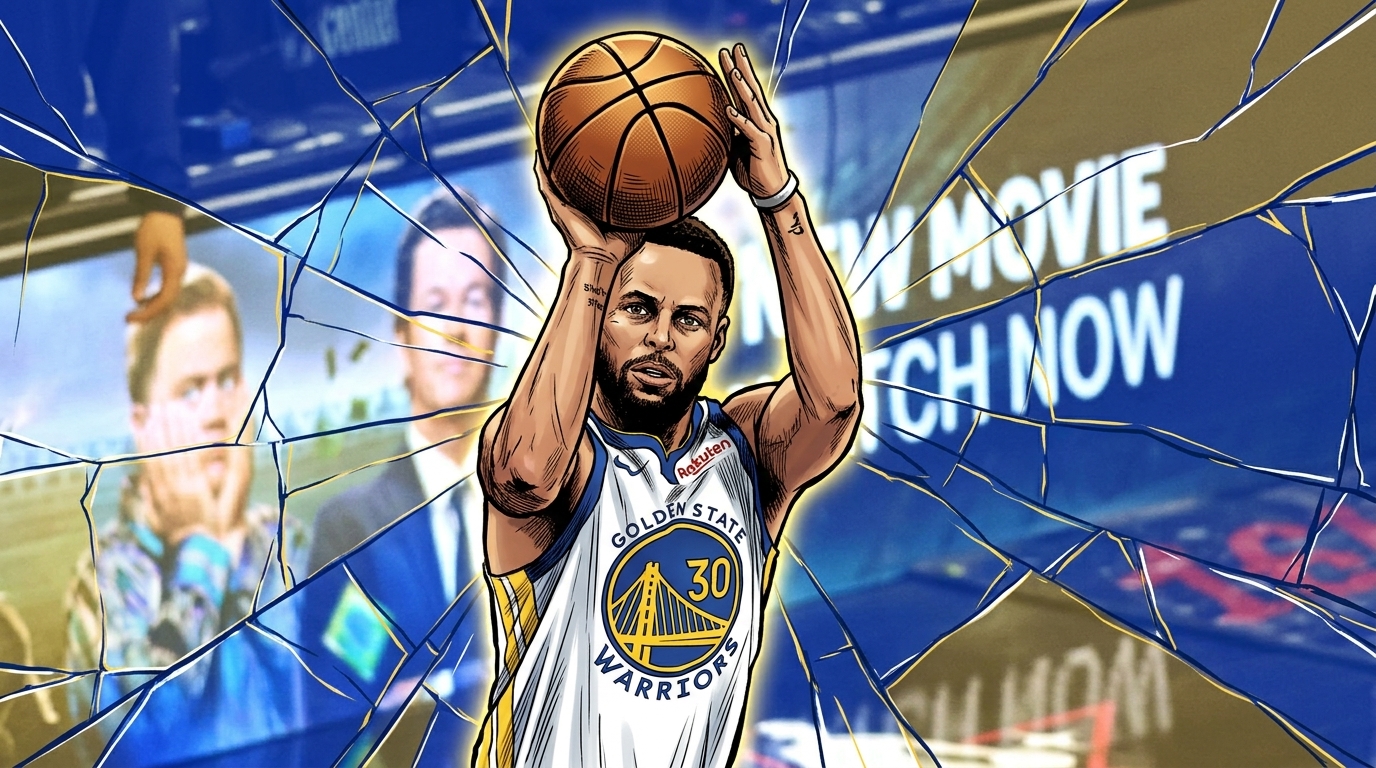
The Golden State Warriors are one of the oldest franchises in professional basketball, a charter member of the league that became the NBA and a club that has carried three names and three home cities across its life — the Philadelphia Warriors, the San Francisco Warriors, and, since 1971, the Golden State Warriors. They own seven championships, a lineage that runs from Joe Fulks and Wilt Chamberlain through Rick Barry to the Stephen Curry dynasty that reordered how the sport is played. No franchise has swung so far between extremes: the Warriors spent much of the late twentieth century as one of the league’s most forlorn teams, then produced the winningest regular season in NBA history and, by 2025, the most valuable team in the league.
| Vitals | |
|---|---|
| Founded | 1946 (as the Philadelphia Warriors) |
| League / Conference / Division | NBA · Western Conference · Pacific |
| Arena | Chase Center, San Francisco, California (opened 2019; capacity 18,064) |
| Owner | Joe Lacob & Peter Guber (since 2010) |
| Head coach | Steve Kerr (as of Oct. 1, 2026) |
| Titles | 7 — 1947, 1956, 1975, 2015, 2017, 2018, 2022 |
Origins: the Philadelphia Warriors (1946–1962)
The franchise was born in 1946 as a charter member of the Basketball Association of America, coached and managed by the Hall of Fame executive Eddie Gottlieb. It won the very first BAA title that season, finishing 35–25 and beating the Chicago Stags 4–1 in the 1947 BAA Finals behind the jump-shooting pioneer Joe Fulks, the league’s first scoring champion at 23.2 points per game.
A second title followed a decade later. The 1955-56 Warriors went 45–27 and won the 1956 NBA Finals over the Fort Wayne Pistons, 4–1, anchored by the Hall of Fame trio of Paul Arizin, Neil Johnston, and Tom Gola.
Then came Wilt Chamberlain. Taken as a territorial pick in the 1959 draft, Chamberlain won both Rookie of the Year and MVP in 1959-60 while averaging 37.6 points and 27.0 rebounds. On March 2, 1962, in Hershey, Pennsylvania, he scored 100 points against the New York Knicks in a 169–147 win — still the only triple-digit game in league history and the signature feat of the Philadelphia era.
Westward: the San Francisco Warriors (1962–1971)
In 1962 the franchise moved to the Bay Area. Purchased by Franklin Mieuli, it was renamed the San Francisco Warriors and carried Chamberlain west for two and a half seasons before trading him back to Philadelphia in January 1965. The team reached the 1964 NBA Finals and lost to the Boston Celtics, 4–1.
Rick Barry gave the move its star. Drafted fourth overall in 1965, Barry was Rookie of the Year in 1965-66 and won the 1966-67 scoring title at 35.6 points per game, carrying San Francisco to the 1967 NBA Finals, where it fell to Chamberlain’s Philadelphia 76ers, 4–2. Alongside Barry stood center Nate Thurmond, one of the franchise’s defining defenders. Barry’s jump to the rival ABA soon afterward stripped the team of its best player and closed the San Francisco chapter on a sour note.
Golden State and the 1975 championship (1971–1977)
For the 1971-72 season the club rebranded a final time as the Golden State Warriors, a name chosen to claim the whole state rather than a single city. Rick Barry returned from the ABA, and under head coach Al Attles the Warriors authored one of the great upsets in Finals history. The 1974-75 team went 48–34 and then swept the heavily favored Washington Bullets 4–0, with Barry — who averaged 30.6 points that season — named Finals MVP.
The title bought only a brief window of contention. The 1975-76 Warriors posted a 59–23 record, the best mark of the era, but lost in the Conference Finals, and after a 1976-77 playoff trip the franchise tumbled into decline.
The wilderness years (1977–2006)
What followed was nearly three decades of frustration. From 1977-78 through 2005-06 the Warriors reached the playoffs just a handful of times, bottoming out with four sub-20-win seasons, including 17–65 in 2000-01. The one bright stretch belonged to “Run TMC” — guards Tim Hardaway and Mitch Richmond with forward Chris Mullin, playing Don Nelson’s breakneck offense. The trio shared the floor for only two seasons, 1989-90 and 1990-91, reaching the Conference Semifinals in 1991 before Richmond was traded that November.
The drought became the defining fact of the era. After a 50–32 season in 1993-94, the Warriors missed the playoffs for twelve consecutive seasons, a run of losing that made them a byword for dysfunction and set the stage for the surprise that ended it.
”We Believe” and the long rebuild (2006–2014)
The drought broke in the spring of 2007. The eighth-seeded 2006-07 Warriors, 42–40 under Don Nelson, upset the top-seeded Dallas Mavericks — winners of 67 games — four games to two, the first No. 8 seed to eliminate a No. 1 seed in a best-of-seven series. Baron Davis, Stephen Jackson, Jason Richardson, and Monta Ellis made the “We Believe” team a Bay Area touchstone, though it lost the next round to Utah.
The foundation of everything that came after was laid in the draft. The Warriors selected Stephen Curry seventh overall in 2009, Klay Thompson eleventh in 2011, and Draymond Green with the 35th pick in 2012. In 2010 an ownership group led by Joe Lacob and Peter Guber bought the franchise from Chris Cohan for a then-record $450 million. Coach Mark Jackson restored respectability with playoff teams in 2012-13 and 2013-14 before he was replaced by Steve Kerr in 2014 — the hire that turned a good team into a juggernaut.
The Curry dynasty (2014–2019)
Kerr’s first season ended a forty-year title wait. The 2014-15 Warriors went 67–15, Curry won regular-season MVP, and the team beat the Cleveland Cavaliers 4–2 in the Finals, with Andre Iguodala named Finals MVP after moving into the starting lineup mid-series.
The 2015-16 season produced history and heartbreak. The 2015-16 Warriors finished 73–9, breaking the 1995-96 Chicago Bulls’ record for the best regular season ever, and Curry became the first unanimous MVP in NBA history. After rallying from a 3–1 deficit in the Western Conference Finals, Golden State blew a 3–1 lead in the Finals, losing to Cleveland 4–3 — the first team ever to surrender a 3–1 Finals lead.
The response was to add Kevin Durant. The MVP forward signed from Oklahoma City in July 2016, and the Warriors became nearly unbeatable. The 2016-17 team went 67–15 and stormed through the playoffs 16–1, beating Cleveland 4–1 with Durant as Finals MVP. The 2017-18 Warriors, 58–24, swept the Cavaliers 4–0 as Durant repeated as Finals MVP.
The run ended in injury. The 2018-19 Warriors, 57–25, reached a fifth straight Finals but lost to the Toronto Raptors 4–2, a series marked by Durant’s ruptured Achilles in Game 5 and Thompson’s torn ACL in Game 6. Durant left for Brooklyn in a sign-and-trade that July, closing the most dominant stretch in franchise history.
Chase Center and the fourth title (2019–2022)
The dynasty’s second act opened in a new building. Chase Center opened in September 2019 in San Francisco’s Mission Bay, a privately financed arena seating 18,064 that returned the franchise to the city it had left in 1971. The debut season was a wreck: with Curry sidelined by a broken hand, the 2019-20 Warriors went 15–50, the league’s worst record.
Health restored the contender. After a play-in exit in 2020-21, the 2021-22 Warriors went 53–29 and won a fourth title in eight years, beating the Boston Celtics 4–2. Curry, finally named Finals MVP, capped the championship with the supporting cast of Andrew Wiggins, Jordan Poole, and the enduring Thompson-Green core.
After the dynasty: the Butler era (2022–2026)
The years after the fourth title brought diminishing returns. The 2022-23 Warriors, 44–38, lost in the second round to the Lakers, and the 2023-24 team, 46–36, fell in the play-in — the final Golden State season for Klay Thompson, who signed with the Dallas Mavericks in free agency in 2024.
The front office answered with a blockbuster. On February 5, 2025, the Warriors acquired Jimmy Butler from the Miami Heat in a multi-team deal that sent Andrew Wiggins to Miami, and signed Butler to a contract extension. The move revived the 2024-25 season: Golden State finished 48–34, won a play-in game, upset the second-seeded Houston Rockets in a seven-game first round, and pushed the Minnesota Timberwolves before a Curry hamstring strain in Game 1 of the second round effectively ended the run; the Warriors lost that series 4–1.
The 2025-26 season brought the franchise’s first losing record in six years. Golden State finished 37–45, 10th in the West, its first sub-.500 finish since the injury-wrecked 15–50 campaign of 2019-20. Butler’s season ended with a knee injury and both Jonathan Kuminga and Buddy Hield were traded away during the year, per the season record; the Warriors beat the Clippers and then lost to the Phoenix Suns in the play-in, missing the main bracket in the spring the New York Knicks won the title. Steve Kerr remained head coach.
Retired numbers
The Warriors have retired seven jersey numbers, honoring figures from every championship era — the Philadelphia and San Francisco greats, the “Run TMC” scorer Chris Mullin, and, in February 2025, Andre Iguodala as the first banner from the modern dynasty. Exact ceremony dates for the six older banners are not consistently documented by the reference sources consulted.
| No. | Player | Pos. | Team tenure | Retired |
|---|---|---|---|---|
| 9 | Andre Iguodala | G/F | 2013–2019 | Feb. 23, 2025 |
| 13 | Wilt Chamberlain | C | 1959–1965 | — |
| 14 | Tom Meschery | F | 1961–1967 | — |
| 16 | Al Attles | G | 1960–1971 | — |
| 17 | Chris Mullin | G/F | 1985–1997, 2000–2001 | — |
| 24 | Rick Barry | F | 1965–1967, 1972–1978 | — |
| 42 | Nate Thurmond | C/F | 1963–1974 | — |
Season by season
Every season the franchise has played, from the 1946-47 BAA champions to the present, folded by decade with the newest first.
The 2020s 267–215 · 3 playoff berths · 1 title
| Season | W–L | Result |
|---|---|---|
| 2020-21 | 39–33 | Lost Play-In |
| 2021-22 | 53–29 | Won NBA Finals |
| 2022-23 | 44–38 | Lost Conf. Semifinals |
| 2023-24 | 46–36 | Lost Play-In |
| 2024-25 | 48–34 | Lost Conf. Semifinals |
| 2025-26 | 37–45 | Lost Play-In |
The 2010s 494–293 · 7 playoff berths · 5 Finals, 3 titles
| Season | W–L | Result |
|---|---|---|
| 2010-11 | 36–46 | Missed playoffs |
| 2011-12 | 23–43 | Missed playoffs |
| 2012-13 | 47–35 | Lost Conf. Semifinals |
| 2013-14 | 51–31 | Lost First Round |
| 2014-15 | 67–15 | Won NBA Finals |
| 2015-16 | 73–9 | Lost NBA Finals |
| 2016-17 | 67–15 | Won NBA Finals |
| 2017-18 | 58–24 | Won NBA Finals |
| 2018-19 | 57–25 | Lost NBA Finals |
| 2019-20 | 15–50 | Missed playoffs |
The 2000s 326–494 · 1 playoff berth
| Season | W–L | Result |
|---|---|---|
| 2000-01 | 17–65 | Missed playoffs |
| 2001-02 | 21–61 | Missed playoffs |
| 2002-03 | 38–44 | Missed playoffs |
| 2003-04 | 37–45 | Missed playoffs |
| 2004-05 | 34–48 | Missed playoffs |
| 2005-06 | 34–48 | Missed playoffs |
| 2006-07 | 42–40 | Lost Conf. Semifinals |
| 2007-08 | 48–34 | Missed playoffs |
| 2008-09 | 29–53 | Missed playoffs |
| 2009-10 | 26–56 | Missed playoffs |
The 1990s 334–454 · 3 playoff berths
| Season | W–L | Result |
|---|---|---|
| 1990-91 | 44–38 | Lost Conf. Semifinals |
| 1991-92 | 55–27 | Lost First Round |
| 1992-93 | 34–48 | Missed playoffs |
| 1993-94 | 50–32 | Lost First Round |
| 1994-95 | 26–56 | Missed playoffs |
| 1995-96 | 36–46 | Missed playoffs |
| 1996-97 | 30–52 | Missed playoffs |
| 1997-98 | 19–63 | Missed playoffs |
| 1998-99 | 21–29 | Missed playoffs |
| 1999-00 | 19–63 | Missed playoffs |
The 1980s 345–475 · 2 playoff berths
| Season | W–L | Result |
|---|---|---|
| 1980-81 | 39–43 | Missed playoffs |
| 1981-82 | 45–37 | Missed playoffs |
| 1982-83 | 30–52 | Missed playoffs |
| 1983-84 | 37–45 | Missed playoffs |
| 1984-85 | 22–60 | Missed playoffs |
| 1985-86 | 30–52 | Missed playoffs |
| 1986-87 | 42–40 | Lost Conf. Semifinals |
| 1987-88 | 20–62 | Missed playoffs |
| 1988-89 | 43–39 | Lost Conf. Semifinals |
| 1989-90 | 37–45 | Missed playoffs |
The 1970s 441–379 · 6 playoff berths · 1 title
| Season | W–L | Result |
|---|---|---|
| 1970-71 | 41–41 | Lost Conf. Semifinals |
| 1971-72 | 51–31 | Lost Conf. Semifinals |
| 1972-73 | 47–35 | Lost Conf. Finals |
| 1973-74 | 44–38 | Missed playoffs |
| 1974-75 | 48–34 | Won NBA Finals |
| 1975-76 | 59–23 | Lost Conf. Finals |
| 1976-77 | 46–36 | Lost Conf. Semifinals |
| 1977-78 | 43–39 | Missed playoffs |
| 1978-79 | 38–44 | Missed playoffs |
| 1979-80 | 24–58 | Missed playoffs |
The 1960s 384–422 · 6 playoff berths · 2 Finals
| Season | W–L | Result |
|---|---|---|
| 1960-61 | 46–33 | Lost Div. Semifinals |
| 1961-62 | 49–31 | Lost Div. Finals |
| 1962-63 | 31–49 | Missed playoffs |
| 1963-64 | 48–32 | Lost NBA Finals |
| 1964-65 | 17–63 | Missed playoffs |
| 1965-66 | 35–45 | Missed playoffs |
| 1966-67 | 44–37 | Lost NBA Finals |
| 1967-68 | 43–39 | Lost Div. Finals |
| 1968-69 | 41–41 | Lost Div. Semifinals |
| 1969-70 | 30–52 | Missed playoffs |
The 1940s–50s 463–481 · 10 playoff berths · 2 titles
| Season | W–L | Result |
|---|---|---|
| 1946-47 | 35–25 | Won BAA Finals |
| 1947-48 | 27–21 | Lost BAA Finals |
| 1948-49 | 28–32 | Lost Div. Semifinals |
| 1949-50 | 26–42 | Lost Div. Semifinals |
| 1950-51 | 40–26 | Lost Div. Semifinals |
| 1951-52 | 33–33 | Lost Div. Semifinals |
| 1952-53 | 12–57 | Missed playoffs |
| 1953-54 | 29–43 | Missed playoffs |
| 1954-55 | 33–39 | Missed playoffs |
| 1955-56 | 45–27 | Won NBA Finals |
| 1956-57 | 37–35 | Lost Div. Semifinals |
| 1957-58 | 37–35 | Lost Div. Finals |
| 1958-59 | 32–40 | Missed playoffs |
| 1959-60 | 49–26 | Lost Div. Finals |
By the numbers
Franchise marks
Per Basketball-Reference and the franchise season list, through the 2025-26 season (all-time record 3,054–3,213). Finals appearances count both BAA Finals (1947, 1948) and all ten NBA Finals.
Ranks
- 1st Most valuable NBA franchise — $11 billion (Forbes, 2025)
- 1st Best regular-season record in NBA history (73–9, 2015-16)
- 1st Career three-pointers, NBA history (Stephen Curry, 4,248)
Per the Forbes valuation list, Basketball-Reference, and StatMuse, through the 2025-26 season.
Honors
- 7× NBA champion (1947, 1956, 1975, 2015, 2017, 2018, 2022)
- NBA-record 73–9 season (2015-16)
- Stephen Curry, unanimous MVP (2016)
- Kevin Durant, 2× Finals MVP (2017, 2018)
- Stephen Curry, Finals MVP (2022)
- Andre Iguodala, Finals MVP (2015)
- Wilt Chamberlain's 100-point game (1962)
Per Wikipedia and Basketball-Reference, through 2026.
The arguments
Did Kevin Durant’s arrival break the sport? When a reigning MVP joined a team that had just won 73 games, critics argued the move drained the NBA of competitive balance and cheapened the titles that followed; defenders countered that free agency worked as designed and that the Warriors still had to win four rounds twice. The debate shapes how the 2017 and 2018 championships are remembered.
Where does the 73-win team rank? Some hold the 2015-16 Warriors as the greatest regular-season team ever, a claim complicated by their collapse from a 3–1 Finals lead; others argue the 2016-17 Durant team, which went 16–1 in the playoffs, was the stronger club. Both sides agree the franchise produced an era of historic dominance; they disagree on which version was its peak.
Did the Warriors improve basketball or distort it? The club’s reliance on volume three-point shooting and small-ball “death” lineups is credited by admirers with modernizing the league’s offenses and blamed by skeptics for homogenizing the game into a long-range shooting contest. The influence itself is not disputed — only whether it was good for the sport.
Why it matters
The Golden State Warriors are the rare franchise whose history contains both the depths and the summit of professional basketball — a charter member that won the league’s first title, a team that spent a generation in irrelevance, and the engine of a dynasty that won four championships in eight seasons and changed how basketball is played and valued. That arc, from Joe Fulks to Wilt Chamberlain to Stephen Curry, and from drafty mid-century arenas to a privately built San Francisco showpiece, is why the Warriors sit among the sport’s essential institutions, whatever any single season brings.