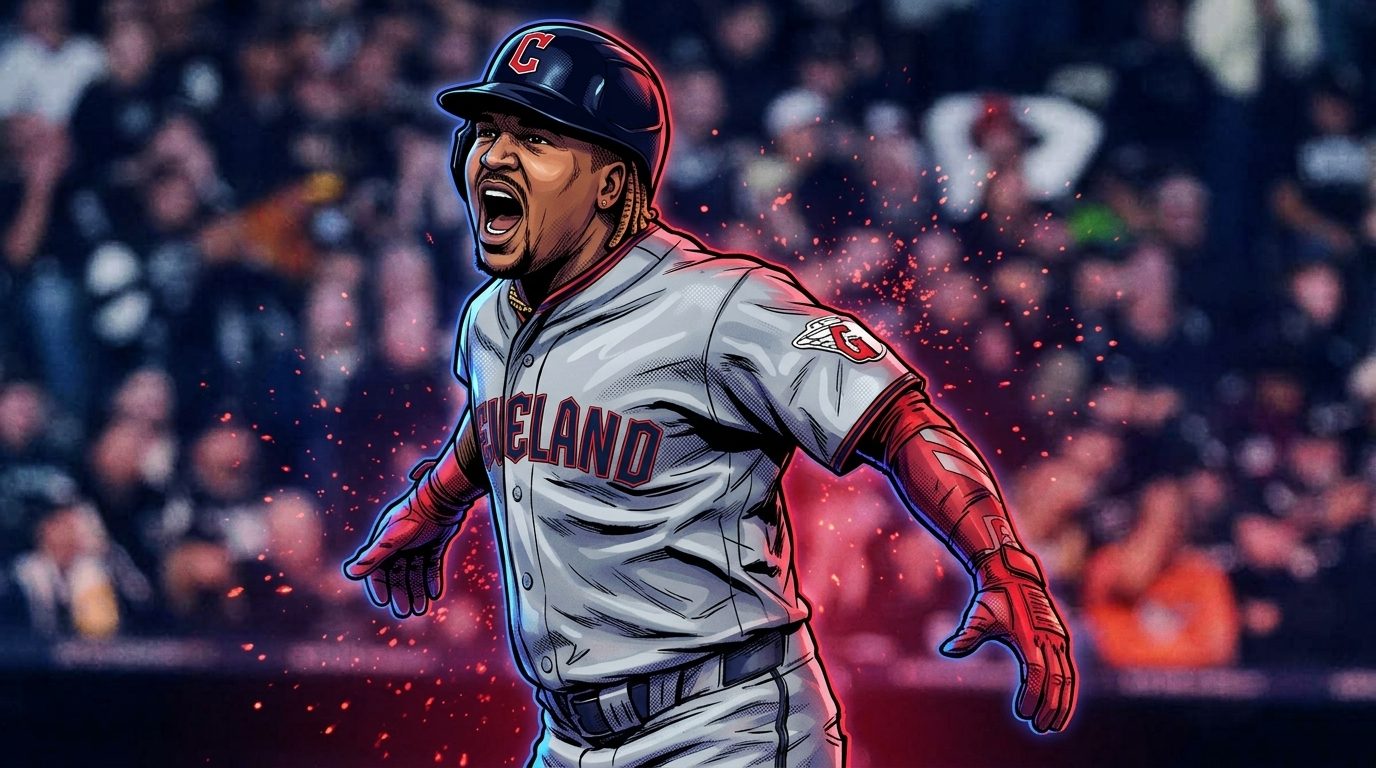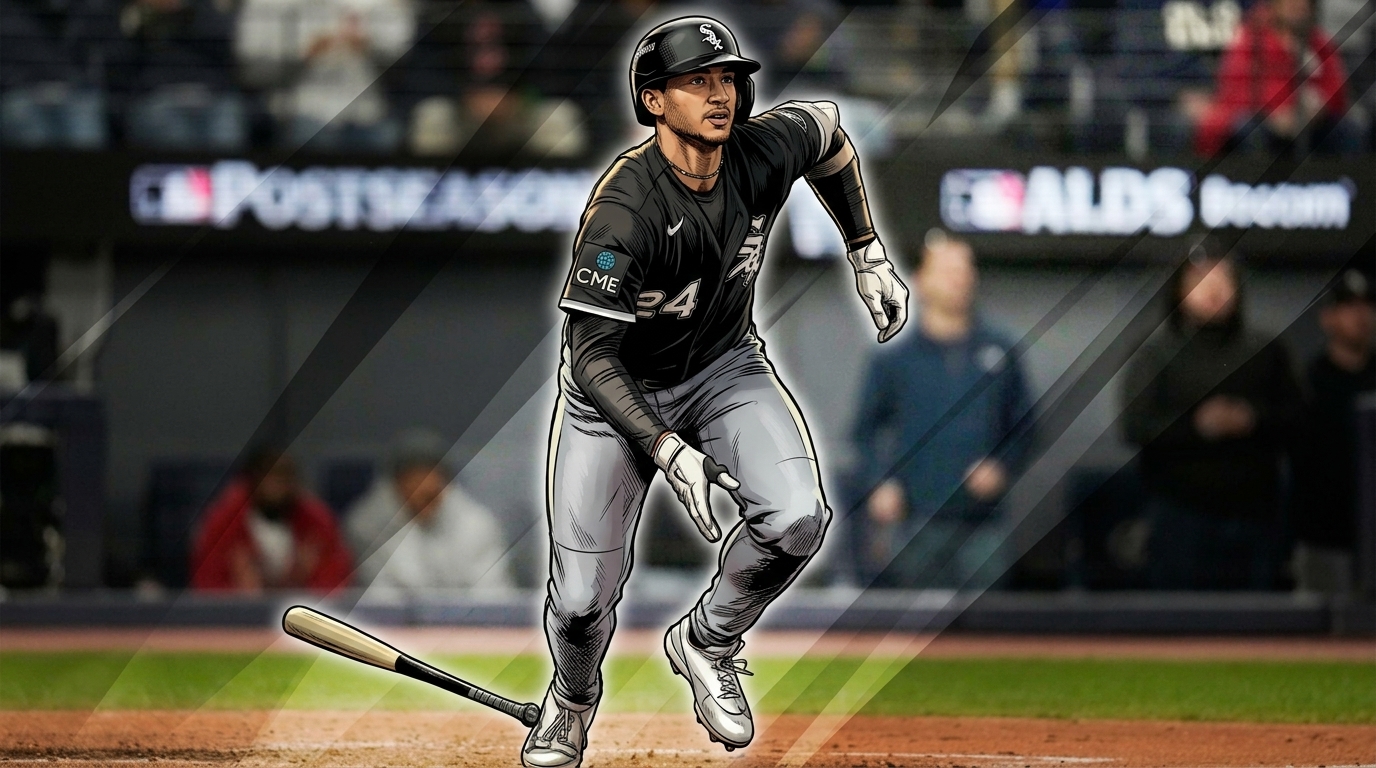

The Cleveland Guardians have a magic number of three to clinch the AL Central. They also carry a second number that never shows up on a standings graphic: one. That’s the exact margin, in the loss column, separating them from the Chicago White Sox, and it isn’t enough. If the Guardians and White Sox finish the regular season with identical records, Chicago wins the division anyway. The White Sox already own the tiebreaker, and it was locked in weeks before anyone started checking daily magic-number updates.
Cleveland is 83-76. Chicago is 82-77. One game back, in first place, playing like the better team every night for over a month. None of that touches the tiebreaker sitting underneath the standings.
Why Doesn’t Cleveland’s Hot Streak Matter?
Because the tiebreaker rewards who won when it counted, not who’s hot right now. The White Sox took this year’s 13-game season series 7-6, the deciding edge coming in a three-game set in Cleveland back in mid-September. If the two teams finish tied, that season series settles it, not this week’s form.
That should sting for Cleveland fans more than the standings let on. The Guardians are 20-9 since August 20, tied for the best record in baseball over that stretch, better than several teams that have already clinched a bye. FanGraphs had them at a 62.7% shot to win the division earlier this week. None of that retroactively flips a season series that ended two weeks ago.
The actual explanation is a calendar problem, not a conspiracy. The White Sox led the AL Central by as much as 5.5 games in mid-August. Cleveland didn’t take sole possession of first place until around September 19. The head-to-head series that now decides everything was played and finished while Chicago was still the better team on paper. The tiebreaker got minted during a stretch the Guardians have since erased from the standings, and it never updates to reflect who erased it.
Guardians president of baseball operations Chris Antonetti put it plainly to MLB.com: “This is why we play, to play meaningful games in September with a chance to get in October.” He’s right that the games are meaningful. He just can’t say out loud that some of the most meaningful ones were already played a month ago, against a White Sox team that skipped a decade of being just okay and turned a 121-loss disaster into a division threat two years later.
What Happens If the Guardians and White Sox Tie?
Chicago wins the division outright, along with the AL’s No. 2 seed and a first-round bye. Cleveland doesn’t get a tiebreaker game or a coin flip. A tied record hands the White Sox the title. The Guardians have to finish at least one full game ahead of Chicago, not tied with them, to keep the division at all.
That’s a heavier lift than a one-game gap suggests, because the two teams don’t play each other again. Cleveland closes at home against Kansas City. Chicago closes at home against Colorado. Every remaining game is against a third team, so Cleveland can’t shrink the deficit by beating the White Sox directly. The only path is winning enough of its own games to hold the lead outright, with no room for a matching result on the other side.
Can the Phillies Still Clinch This Week?
Not yet, but they’re close. The Philadelphia Phillies’ magic number sits at 2, meaning any combination of two Phillies wins or losses by the closest wild card rivals ends the race. They haven’t been able to spend it this week, because a two-game skid against Milwaukee kept the number frozen instead of ticking down.
Milwaukee is the reason. The Phillies have now lost six straight series to the Brewers this season, dropping back-to-back games on September 23 and 24, first 4-1 while going 0-for-12 with runners in scoring position, then 5-1 in a game that summed up the week without needing a box score to explain it.
https://twitter.com/PhlySprtsReprts/status/2103276903847379037
Andrew Painter pitched well in that second loss, six innings, one earned run, eight strikeouts, no decision to show for any of it. Bryce Harper’s third-inning RBI single was the only offense the Phillies could scrape together before the bullpen let it slip away in the eighth. Then Luis Arraez sprained his left ankle in the sixth trying to avoid a tag, the kind of detail that makes a magic-number-2 game feel a lot more urgent than “still not clinched yet.” For the full picture across all seven teams chasing wild card spots, the Phillies’ magic number tracker has the daily math.
Do the Diamondbacks Have a Real Path?
Barely, and shrinking fast. Arizona sits two games back of the final NL Wild Card spot with an elimination number of 2, kept alive by a five-game winning streak. Most models put the playoff odds between 3 and 6%, low enough that “alive” is doing more work than “likely.”
The path is specific: Arizona needs to go 5-1 against Colorado and San Diego while Philadelphia goes 1-5 or worse against Milwaukee and Tampa Bay. That’s not one more Brewers series slipping away. It’s the Phillies losing to everyone left on the schedule, for a full week, while Arizona doesn’t slip once. I ran it through my fantasy-baseball projection models three different ways, and all three spit out the same number: the Diamondbacks need help more than they need wins.
The Two Races, One Number
Cleveland’s problem and Philadelphia’s problem aren’t the same shape, but they rhyme. The Guardians can’t out-hustle a tiebreaker that was decided in mid-September. The Phillies can’t out-clinch a magic number that only moves when the Brewers stop beating them. In both cases, the number on the screen looks like it’s tracking this week’s form, but it’s actually tracking a debt that has to get paid off before the form counts for anything.
Give me the Guardians to finish this the hard way — winning out, or close enough to it, because a one-game cushion isn’t a cushion against this particular math. And give me the Phillies to close it out within the week, because a magic number of 2 against a 3-to-6% long shot isn’t much of a fight, even after two losses that made it feel like one.