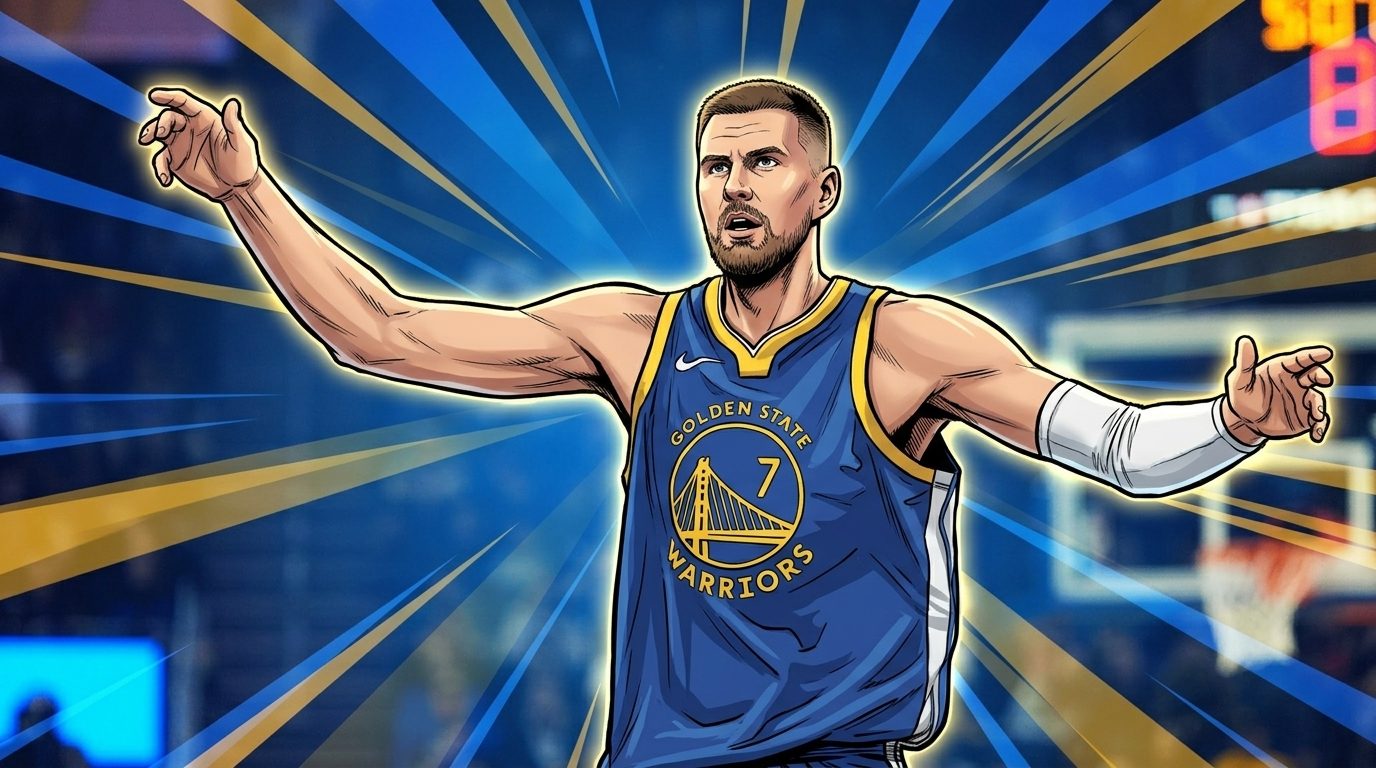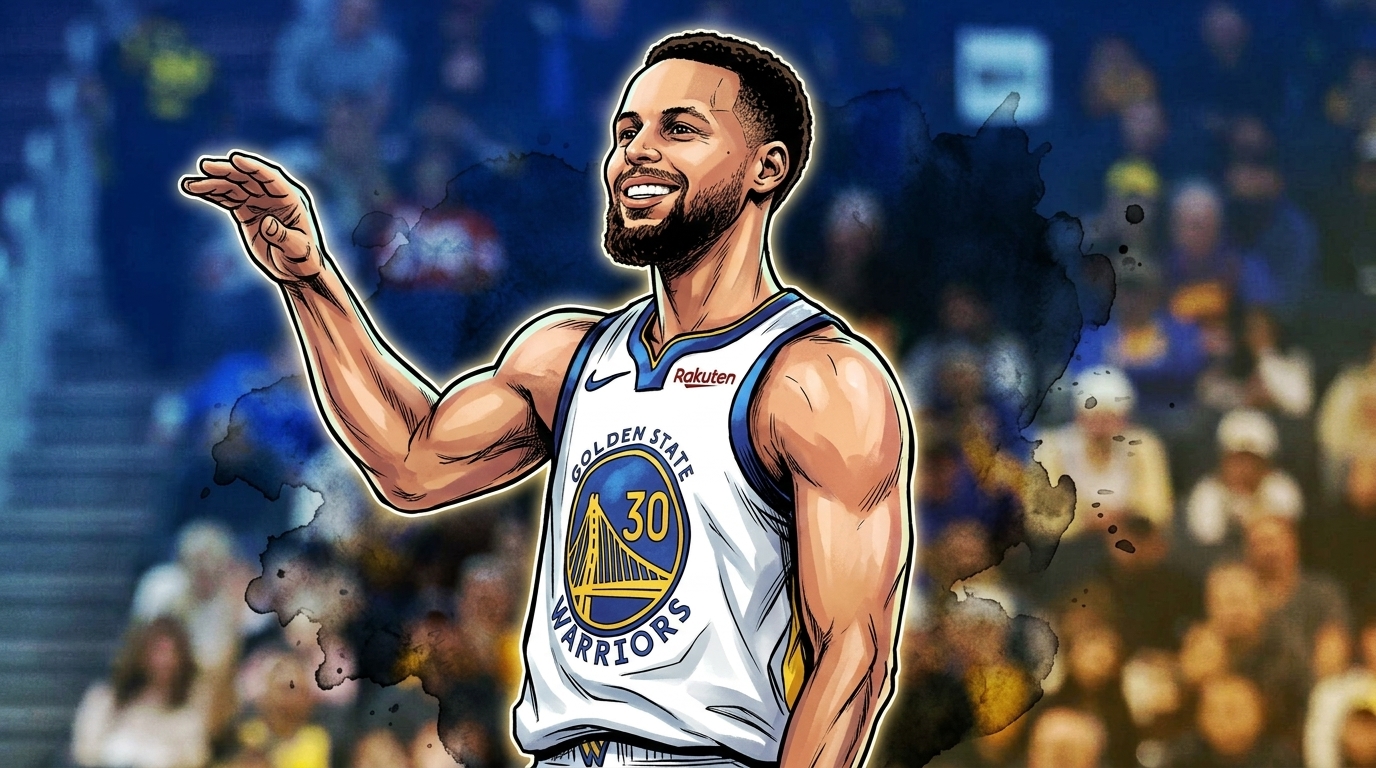

Stephen Curry left $20 million on the table this week, and it might be the most honest number of his career. His new deal with the Golden State Warriors is official: two years, $116 million, running through 2028-29, according to ESPN — a discount off the $136.7 million he was eligible to sign for. That gap, the $20 million he left on the table, freed up roughly $10 million in extra cap room for a front office that’s spent a decade building and rebuilding around him.
The discount is the transaction. What it buys is the real story.
This deal also makes him the first player in NBA history to clear $600 million in on-court earnings. Curry’s $652 million in career earnings now sit above the NBA’s $600 million club by himself, per NBA.com — population: one.
Every player anywhere near that $500 million mark got there by leaving somebody. LeBron James left Cleveland for Miami, went back, then left again for the Lakers, cashing in on LeBron’s own contract leverage at every stop. Kevin Durant left a 73-win Thunder core for Golden State, then left Golden State three years later. Even the guys who never got within shouting distance of $500 million took the same exit route: James Harden forced his way from Houston to Brooklyn to Philadelphia chasing a bigger number each time, and Kawhi Leonard and Paul George forced their own exits out of San Antonio and Indiana within a year of each other.
Curry has done none of that.
He’s the rare $500-million earner who never left. One team, one jersey, twenty years by the time the option year runs out. It’s the same logic behind another star’s below-market deal last summer, just with three more zeros attached.
Warriors GM Mike Dunleavy said this week that Curry has “never been a better face to a franchise in professional sports history,” and for once the front-office quote undersells it.
I spent two years freelancing for $50 a piece before this job, so forgive me for having feelings about a guy who voluntarily walked past $20 million.
None of it is charity. Curry missed 39 games last season with a knee injury and still averaged 26.6 points in the 43 he did play, which is its own case for why Golden State wanted flexibility more than it wanted to max out an aging point guard. The Warriors got a discount. Curry got a roster.
https://twitter.com/ShamsCharania/status/2103670616280715635
https://twitter.com/warriors/status/2103674334590169564
Shams broke it, the team confirmed it within the hour, and neither post reads like an ending. If Curry plays out the option year, 2028-29 will be his 20th season in Golden State, joining Dirk Nowitzki, Kobe Bryant and Udonis Haslem as the only players in league history to spend two decades with one franchise.
This is the whole point: Curry gave up $20 million so the Warriors could keep building around him, and he’s one of the only players in the sport’s new $500-million club who built his fortune without ever changing teams. That’s not a coincidence — that’s the whole résumé.
Measure this deal by total value against the rest of the NBA’s offseason moves and it barely cracks the top ten. Measure it by what a superstar chose not to take, and nothing else this summer comes close.
Nearly everyone else at $500 million moved out. Curry just re-signed the lease.